The Allure of Dark & Twisty Dorama Novels
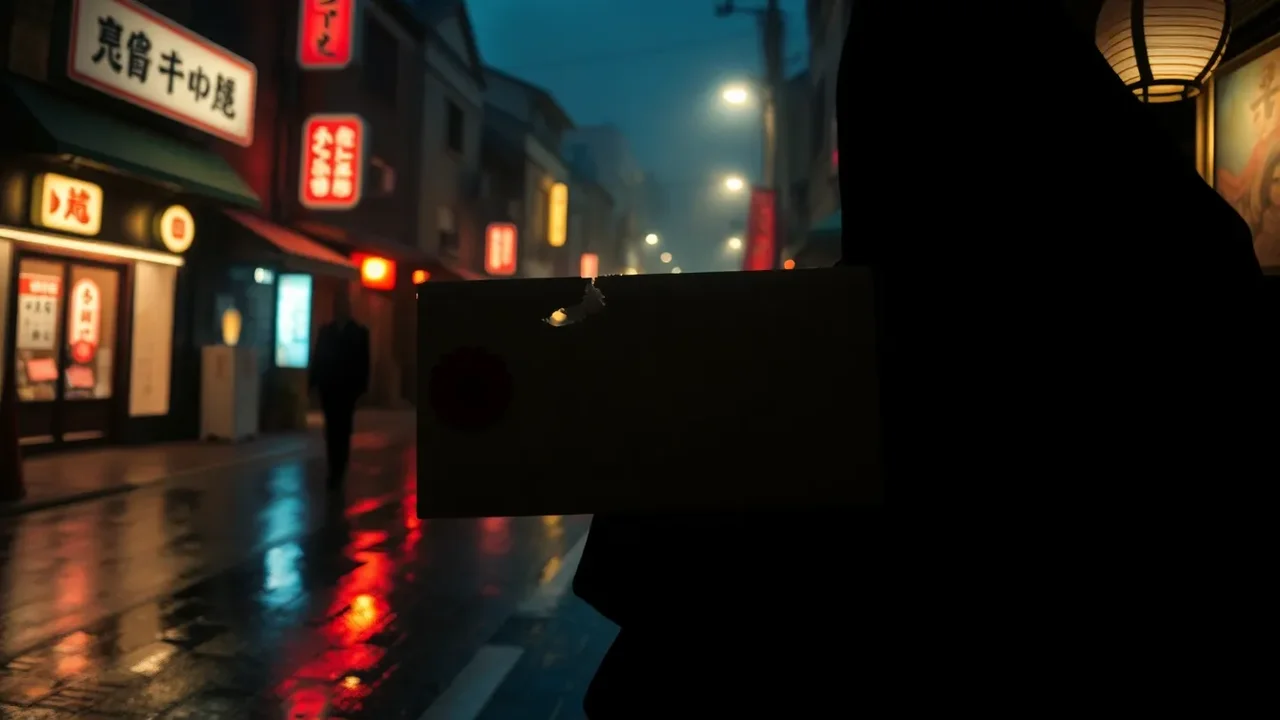
Dorama novels, adapted from Japanese television dramas or original works inspired by the same aesthetic, have carved a unique niche in the literary world. Among them, the subgenre of dark and twisty stories stands out for its ability to grip readers with psychological depth, moral ambiguity, and relentless suspense. These novels often explore the shadowy corners of human nature, where nothing is as it seems and every revelation introduces new layers of complexity. Unlike straightforward thrillers, dark twisty dorama novels prioritize atmosphere, character-driven tension, and intricate plotting that rewards careful attention.
Key Elements of the Genre
Several characteristics define a dark twisty dorama novel. First, unreliable narrators are common, forcing readers to question every piece of information. Second, the setting is often claustrophobic or oppressive—such as a foggy Tokyo alley, an isolated countryside mansion, or a high-pressure corporate office. Third, moral greyness ensures that no character is purely good or evil. Finally, slow-burn pacing builds suspense through subtle clues and emotional manipulation rather than constant action.
A must-have element is the plot twist that recontextualizes the entire story. These twists are not mere shocks but carefully foreshadowed revelations that feel both surprising and inevitable. For example, a detective might discover that the victim was the true mastermind, or a seemingly loyal friend turns out to be the antagonist all along.
Popular Dark & Twisty Dorama Novels
Some Japanese dorama novels have gained international fame for their dark themes. Here is a list of notable works:
- Confessions by Kanae Minato – A teacher seeks revenge after her daughter’s murder, revealing layers of manipulation among students and parents.
- The Devotion of Suspect X by Keigo Higashino – A mathematical genius orchestrates an elaborate alibi to cover a murder, challenging the detective’s intellect.
- Malice by Keigo Higashino – A locked-room mystery where the killer’s motive is more disturbing than the crime itself.
- Out by Natsuo Kirino – A gritty tale of women trapped in dead-end jobs who commit a murder, exploring themes of desperation and betrayal.
- Battle Royale by Koushun Takami – A dystopian survival story where students are forced to kill each other, a precursor to many dark psychological thrillers.
These novels exemplify the genre’s ability to combine social commentary with heart-pounding thrills.
Writing Your Own Dark & Twisty Dorama Novel
For aspiring authors, crafting a successful dark twisty dorama novel requires careful planning. Below is a table outlining essential components and tips:
| Component | Description | Example Tip |
|---|---|---|
| Unreliable Narrator | A narrator whose credibility is compromised by bias, mental state, or deliberate deception. | Use first-person narration with conflicting internal thoughts. |
| Foreshadowing | Subtle hints that gain significance after the twist is revealed. | Plant seemingly irrelevant details that become crucial later. |
| Moral Ambiguity | Characters with complex motivations; no clear hero or villain. | Give each character a sympathetic backstory that explains their actions. |
| Pacing | Slow build-up of tension with periodic emotional peaks. | Alternate between quiet character moments and shocking reveals. |
| Thematic Depth | Exploration of societal issues like justice, identity, or trauma. | Weave the theme into the plot so it emerges naturally from the events. |
Character Development in Dark Stories
Characters in these novels are often flawed and haunted. The protagonist might be a disgraced journalist, a grieving parent, or a person with a secret past. Their journey is not just about solving a crime but confronting their own darkness. For instance, in Confessions, the teacher’s revenge is meticulously planned yet morally questionable, forcing readers to empathize with her while feeling uneasy about her methods.
Supporting characters should also be multifaceted. The police officer might have a gambling problem; the neighbor could be hiding a crime of their own. These layers create a rich tapestry where trust is a rare commodity.
Plot Twists That Resonate
The best twists in dark twisty dorama novels are those that redefine the story’s meaning. To achieve this, consider a “double twist”: the first twist shocks the reader, and a second twist subverts the first. For example, in Malice, the killer’s initial confession is revealed to be part of a deeper game of psychological warfare against the detective. The final revelation exposes the killer’s true motive—a desire to destroy reputation rather than just take a life.
Methods for crafting twists include misdirection (leading readers to assume the obvious) and withholding information (revealing key clues only at the climax). A classic technique is the “unreliable narrator” twist, where the narrator is revealed to be the perpetrator or a victim of delusion.
Practical Advice for Readers and Writers
How to Appreciate Dark & Twisty Novels
Readers new to the genre should approach these novels with an open mind and attention to detail. Keep a notebook for clues, as many stories reward rereading. Look for patterns in dialogue, character reactions, and setting descriptions. For example, a recurring motif like a broken clock might symbolize lost time or a lie.
Discussion groups and online forums are rich resources. Sharing theories enhances the experience, as these novels often have puzzles that benefit from collective analysis.
Writing Exercises for Aspiring Authors
- Twist Challenge: Write a short scene where a secondary character reveals a secret that changes the context of the first paragraph. Use only dialogue.
- Unreliable Monologue: Compose a diary entry from a character who is deliberately lying about their actions. Show contradictions through word choice.
- Atmosphere Setting: Describe a room using only sensory details (sound, smell, texture) that imply a hidden threat.
These exercises build the skills needed for longer works.
Adapting Dorama Novels to Screenplays
Many dark twisty dorama novels are adapted into TV series. Key differences include visual storytelling (showing rather than telling internal thoughts) and episodic structure (ending each episode on a cliffhanger). For instance, the adaptation of Confessions used stark visual contrast between everyday settings and the horror of the plot. Writers can learn from these adaptations by noticing what changes work—for example, adding a new subplot that deepens the mystery.
Psychological Impact of Twists
The enduring appeal of dark twisty dorama novels lies in their emotional resonance. A well-executed twist can provoke feelings of shock, betrayal, and catharsis. Research in narrative psychology suggests that humans are wired to seek patterns, and a surprise that fits within a hidden pattern is deeply satisfying. This is why readers often describe the experience as “mind-blowing” or “haunting.”
However, authors must avoid cheap shocks. A twist that comes out of nowhere, without any prior clues, feels gimmicky. The best twists are those that, upon reflection, make the reader exclaim, “I should have seen that coming!” because the clues were always present, just cleverly disguised.
Cultural Context: Japanese Influences
Dorama novels are rooted in Japanese cultural narratives that emphasize collective guilt, honor, and social conformity. Dark twisty stories often critique societal pressures—the pressure to succeed, the stigma of failure, the weight of family expectations. For example, Out portrays women trapped by economic and gender roles, using crime as a means of escape. This cultural specificity adds depth that global audiences find fascinating.
Understanding these themes helps writers create more authentic and layered stories, even if set in other countries.
FAQ - Dark & Twisty: Dorama Novels with Thrilling Plots
What are dark and twisty dorama novels?
They are novels, often adapted from Japanese TV dramas, that feature complex psychological thrillers with unreliable narrators, moral ambiguity, and shocking plot twists. They prioritize atmosphere and character depth over action.
Can you recommend a beginner-friendly dark twisty dorama novel?
Start with 'The Devotion of Suspect X' by Keigo Higashino. It is a relatively accessible yet brilliant mystery with a clever twist. Its slower pacing allows readers to enjoy the build-up without confusion.
How do I write a good plot twist for this genre?
Plant subtle clues early (foreshadowing) that only make sense after the twist. Ensure the twist recontextualizes the story but remains believable. Avoid deus ex machina; the twist should arise logically from character actions.
What is the difference between a dark twisty dorama novel and a regular thriller?
Dorama novels emphasize slow-burn tension, Japanese cultural themes, and intricate character psychology. They often critique societal norms, while regular thrillers may focus more on fast-paced action and external threats.
Are there any film adaptations of these novels?
Yes, many have been adapted into Japanese dramas or movies. Notable examples: 'Confessions' (2010 film), 'The Devotion of Suspect X' (2008 film), and 'Battle Royale' (2000 film). These adaptations often expand on the source material.
How can I identify an unreliable narrator in a novel?
Look for contradictions in their account, unusual gaps in their story, or a consistent bias that favors their own perspective. They may also have psychological conditions like memory loss or paranoia.
Dark and twisty dorama novels are psychological thrillers with unreliable narrators, moral greyness, and shocking plot twists. Rooted in Japanese culture, they explore societal pressures through slow-burn narratives. Key examples include 'Confessions' and 'The Devotion of Suspect X'. Readers learn to appreciate foreshadowing and character depth, while writers can master techniques like misdirection and thematic layering.
Dark and twisty dorama novels offer a uniquely satisfying reading experience that combines intellectual challenge with emotional depth. Whether you are a reader seeking a gripping mystery or a writer aiming to craft your own labyrinthine plot, the genre rewards those who embrace ambiguity and patience. By understanding its core elements—unreliable narrators, cultural nuance, and shocking yet foreshadowed twists—you can either appreciate the masterpieces already published or contribute your own tale to this ever-evolving literary tradition. The shadows of these stories linger long after the last page, inviting endless reflection and discussion.