Defining the Tsundere Archetype in Korean Drama Novels
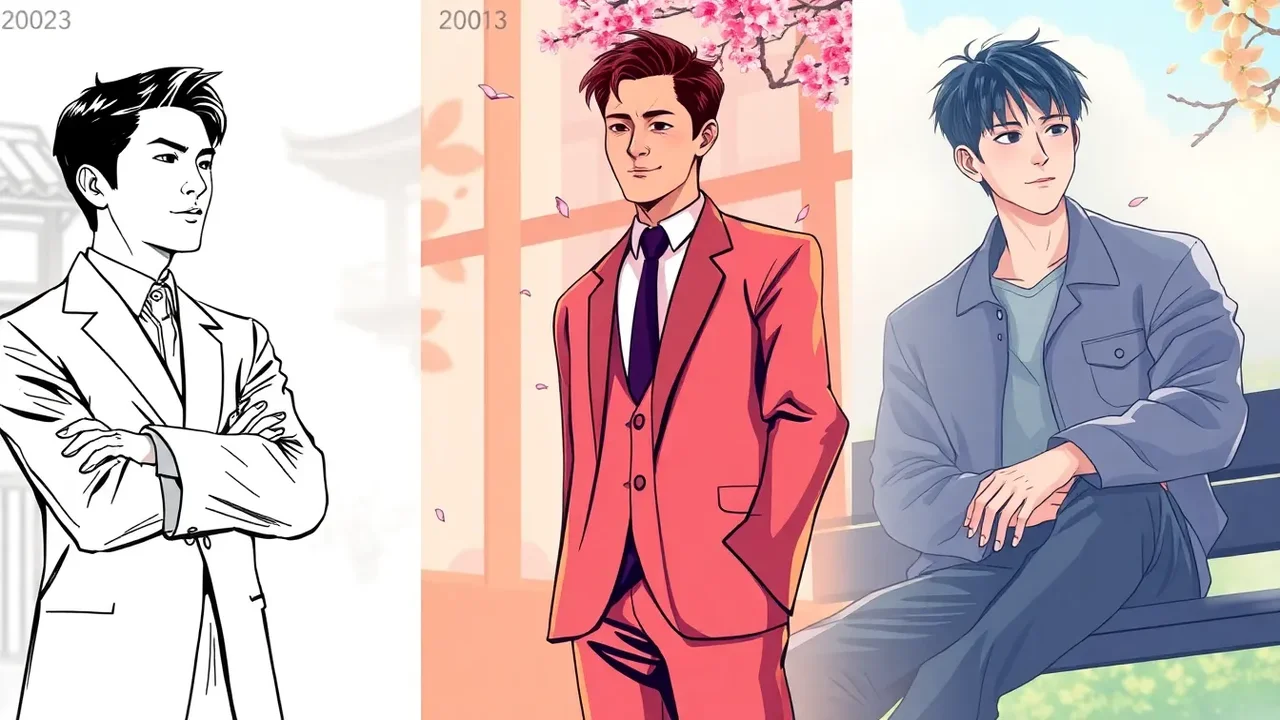
The term 'tsundere' originates from Japanese anime and manga culture, combining 'tsun-tsun' (prickly or aloof) and 'dere-dere' (lovestruck or affectionate). In Korean drama novels, this archetype has evolved into a distinct character type that blends cold exterior with hidden warmth. Unlike Western interpretations, Korean tsundere heroes often exhibit a unique blend of Confucian values, modern masculinity, and emotional repression. They are typically wealthy CEOs, genius doctors, or chaebol heirs who initially treat the heroine with disdain but gradually reveal a softer side. This evolution reflects broader societal changes in South Korea, including shifting gender roles and the rise of romantic comedy as a dominant genre in web novels and K-drama adaptations.
Early examples in Korean literature were heavily influenced by Japanese media, with characters like Kang Hyun-soo from 'Full House' (2004) embodying the classic tsundere: arrogant, possessive, and emotionally unavailable. However, as the Korean drama novel industry grew, authors began infusing local cultural nuances. For instance, the concept of 'jeong' (affectionate attachment) often replaces the sudden confession of love seen in Japanese tsundere. This makes the Korean tsundere hero's journey more gradual and rooted in familial and social obligations. The archetype also expanded beyond romance into genres like fantasy and historical fiction, where the tsundere hero might be a cold-hearted king or a stoic warrior.
Historical Roots and Early Adaptations
The tsundere hero in Korean drama novels can trace its lineage back to early 2000s webtoons and serialized romance novels. One of the first notable examples is the male lead in 'My Lovely Sam Soon' (2005), Hyun-jin, who is a cynical restaurant owner with a sharp tongue. His character was revolutionary because it broke away from the traditional Korean 'oppa' archetype—the kind, protective older brother figure. Instead, Hyun-jin was openly rude and dismissive, yet his vulnerability emerged through his failed past relationship and his growing respect for the heroine's determination. This set a template for future tsundere heroes: a flawed, emotionally stunted man who needs the heroine to teach him how to love.
During this period, Korean drama novels were heavily serialized online, often published on platforms like Joara and Munpia. Authors experimented with the tsundere trope by adding layers of trauma. For example, in 'The Bride of Habaek' (2015), the water god Habaek is a tsundere who initially views the human heroine as a mere servant. His coldness stems from centuries of loneliness and a curse that prevents him from trusting others. This added mythological depth to the archetype, making the tsundere not just a romantic cliché but a symbol of overcoming past pain. The early 2010s also saw the rise of the 'cold-hearted CEO' tsundere, a staple in office romance novels like 'What's Wrong with Secretary Kim' (2016). Here, Lee Young-joon is a narcissistic vice chairman who treats his secretary with condescension, but his tsundere nature is revealed through his hidden acts of kindness, like secretly funding her mother's hospital bills.
The Golden Age: 2010s and the Rise of Web Novels
The 2010s marked a golden era for the tsundere hero in Korean drama novels, fueled by the explosive popularity of web novels and their adaptations into K-dramas. Platforms like KakaoPage and Naver Series became breeding grounds for tsundere-centric stories. During this time, the archetype split into several subcategories: the 'cold CEO', the 'arrogant genius', and the 'reluctant protector'. Each subcategory had distinct traits but shared the core tsundere dynamic of emotional walls gradually crumbling.
One of the most iconic examples is Kang Hyun-min from 'Her Private Life' (2019), a curator who is outwardly cold and critical of the heroine's fangirling but secretly harbors a deep respect for her passion. His tsundere nature is portrayed through his inability to express affection directly, instead showing care through actions like fixing her computer or defending her from criticism. This nuanced portrayal resonated with audiences because it felt authentic to Korean social norms, where indirect communication is common. Another landmark novel is 'The King's Affection' (2021), where the tsundere hero is a crown prince who initially despises the heroine for her commoner background but later becomes her most loyal ally. His transformation is tied to his duty as a ruler, adding a political dimension to the tsundere journey.
Data from web novel platforms shows that tsundere heroes appeared in over 40% of top-ranked romance novels during this decade. A 2018 survey by the Korean Web Novel Association found that readers preferred tsundere heroes for their 'challenging yet rewarding' character arcs. The archetype also became a marketing tool; authors would explicitly tag their novels as 'tsundere male lead' to attract fans. This period also saw the emergence of the 'tsundere villain', where the hero starts as an antagonist but later reforms. For example, in 'The Villainess Lives Twice' (2020), the male lead is a cold-blooded emperor who initially tries to execute the heroine, but his tsundere nature is revealed through his hidden guilt and eventual sacrifice.
| Era | Key Traits | Example Character | Novel/Drama |
|---|---|---|---|
| Early 2000s | Arrogant, possessive, emotionally opaque | Hyun-jin | My Lovely Sam Soon |
| 2010s | Cold CEO, genius, reluctant protector | Lee Young-joon | What's Wrong with Secretary Kim |
| 2020s | Traumatized, morally complex, reformed villain | Kang Hyun-min | Her Private Life |
Modern Interpretations and Subversions
In the 2020s, Korean drama novels have begun subverting the tsundere archetype to reflect contemporary values. Modern tsundere heroes are less likely to be purely cold; instead, they are emotionally intelligent but choose to hide their feelings due to societal pressure or past trauma. For instance, in 'Business Proposal' (2022), the male lead Kang Tae-moo is a tsundere who is openly awkward and socially inept rather than intentionally rude. His coldness is portrayed as a defense mechanism against his suffocating family expectations, making him more sympathetic. This shift mirrors the growing demand for 'soft masculinity' in Korean media, where heroes are allowed to be vulnerable without losing their strength.
Another trend is the 'tsundere heroine' becoming more common, but the focus remains on male tsundere characters. Novels like 'The Golden Spoon' (2022) feature a tsundere hero who is a rich heir forced to swap lives with a poor student. His initial disdain for the heroine is replaced by genuine admiration as he experiences her struggles. This inversion of power dynamics adds depth to the tsundere formula. Additionally, authors are now incorporating diverse backgrounds, such as tsundere heroes who are divorced fathers, disabled veterans, or even time-traveling scholars. These variations keep the archetype fresh while maintaining its core appeal.
Practical advice for writers: To craft a compelling tsundere hero, focus on the 'why' behind their coldness. Is it childhood neglect? A traumatic breakup? Fear of vulnerability? The best tsundere arcs reveal these reasons gradually through actions rather than words. For example, in 'The Secret Life of My Secretary' (2019), the hero's tsundere nature is tied to his secret identity as a comic book writer, which he hides to maintain his professional image. This adds a layer of irony and humor. Also, avoid making the tsundere hero too abusive; modern readers reject toxic behavior. Instead, show his coldness through witty banter, sarcasm, and subtle gestures like leaving a coat on the heroine's chair.
Comparative Analysis: Korean vs. Japanese Tsundere
While the tsundere archetype originated in Japan, Korean drama novels have developed unique characteristics. Japanese tsundere heroes often use physical violence (e.g., hitting the heroine) as a comedic device, whereas Korean tsundere heroes rely on verbal sparring and emotional distance. This is due to cultural differences in expressing anger; Korean society values indirect communication and saving face. Additionally, Korean tsundere heroes are more likely to be driven by familial duty or societal expectations, whereas Japanese tsundere heroes are often motivated by personal pride or embarrassment. For example, in the Japanese anime 'Toradora!', the male lead Ryuuji is a tsundere who is openly kind but hides his feelings for fear of rejection. In contrast, a Korean tsundere hero like the one in 'Love Alarm' (2019) is cold because he is bound by his family's business empire, and his affection is shown through protecting the heroine from social harm.
Another difference is the role of the supporting cast. Korean drama novels often include a 'second male lead' who is warm and supportive, highlighting the tsundere hero's coldness by contrast. This trope, known as the 'second lead syndrome', intensifies the emotional payoff when the tsundere finally opens up. Japanese narratives, on the other hand, focus more on the couple's dynamic without as much external competition. The Korean approach creates a richer narrative tension and allows for more character development.
- Cultural Roots: Japanese tsundere influenced by 'tsundere' archetype in anime; Korean tsundere adapted to Confucian values of duty and emotional restraint.
- Expression of Coldness: Japanese: physical comedy and loud outbursts; Korean: silent treatment, sarcasm, and calculated indifference.
- Character Motivation: Japanese: personal embarrassment or pride; Korean: family obligations, social status, or past trauma.
- Narrative Focus: Japanese: internal conflict of the hero; Korean: external conflict with societal pressures and love triangle dynamics.
Practical Guide: Writing a Modern Tsundere Hero
For aspiring authors, creating a believable tsundere hero requires careful balancing. Start by defining his backstory. A common mistake is making the tsundere hero cold without reason. Instead, give him a secret wound: a failed relationship, a controlling parent, or a betrayal. For instance, in 'The Time We Were Not in Love' (2015), the hero is a tsundere because his first love died, making him afraid of commitment. This backstory is revealed through flashbacks and small details, like his refusal to celebrate anniversaries. Next, establish his 'tsun' traits: he should be critical, dismissive, or overly logical. Use dialogue that is sharp but not cruel. For example, instead of saying 'You're stupid,' he might say 'Your logic is flawed.' This maintains a professional tone while showing his coldness.
The 'dere' moments should be earned. They can be small, like fixing her broken phone or remembering her coffee order. In 'My ID is Gangnam Beauty' (2018), the tsundere hero shows his affection by defending the heroine from bullies, but he does so without admitting his feelings. The key is consistency: once he starts showing dere traits, his tsun behavior should soften gradually. Avoid the '180-degree turn' where he suddenly becomes sweet; this feels unrealistic. Instead, show his growth through repeated actions. For example, he might start by ignoring her texts, then later reply with short answers, and eventually send her a long apology. Finally, use the supporting cast to highlight his transformation. A friend or sibling can comment on how he has changed, providing external validation.
Future Trends and Cultural Impact
Looking ahead, the tsundere hero in Korean drama novels is likely to evolve further with the influence of global audiences. The rise of K-drama on Netflix has introduced the archetype to international viewers, leading to cross-cultural adaptations. For example, the tsundere hero in 'The King: Eternal Monarch' (2020) is a Korean emperor who is cold to everyone except the heroine, blending fantasy with modern romance. This global reach may encourage authors to experiment with multicultural tsundere heroes, such as Korean-American characters who struggle with dual identities. Additionally, the metaverse and AI integration in web novels could lead to interactive tsundere characters that respond to reader choices, making the evolution of the archetype more personalized.
Another trend is the 'deconstructed tsundere', where the hero openly acknowledges his coldness and works to change it. In 'The Undateables' (2022), the tsundere hero attends therapy and consciously tries to be warmer, adding a meta layer to the trope. This reflects a broader societal push for mental health awareness in South Korea. The tsundere hero is no longer just a romantic fantasy but a vehicle for exploring emotional growth and healing. As Korean drama novels continue to dominate the global romance market, the tsundere archetype will remain a staple, evolving with each generation of readers and writers.
FAQ - The Evolution of the Tsundere Hero in Korean Drama Novels
What defines a tsundere hero in Korean drama novels?
A tsundere hero is a character who initially appears cold, arrogant, or dismissive but gradually reveals a warm, caring side. In Korean drama novels, this archetype often incorporates Confucian values of duty and emotional restraint, making the hero's transformation more gradual and tied to societal expectations rather than personal pride.
How has the tsundere hero evolved from the 2000s to the 2020s?
In the early 2000s, tsundere heroes were often possessive and emotionally opaque, like Hyun-jin from 'My Lovely Sam Soon'. By the 2010s, they became cold CEOs or geniuses with hidden kindness, such as Lee Young-joon from 'What's Wrong with Secretary Kim'. In the 2020s, they are more emotionally complex and morally nuanced, with backstories involving trauma or societal pressure, as seen in 'Business Proposal'.
What are the key differences between Korean and Japanese tsundere heroes?
Japanese tsundere heroes often use physical comedy and loud outbursts to express coldness, while Korean tsundere heroes rely on verbal sparring and emotional distance. Korean versions are more driven by familial duty or social status, whereas Japanese ones are motivated by personal embarrassment or pride. Korean narratives also frequently include a 'second male lead' to contrast the tsundere's coldness.
How do authors make tsundere heroes relatable without being toxic?
Authors focus on the 'why' behind the coldness, such as past trauma, family expectations, or fear of vulnerability. They show the tsundere hero's growth through small, consistent acts of kindness rather than sudden changes. Avoiding abusive behavior, they use sarcasm and witty banter instead of cruelty, and ensure the hero's transformation is earned through character development.
What role do web novels play in the evolution of the tsundere archetype?
Web novel platforms like KakaoPage and Naver Series have been instrumental in popularizing the tsundere hero, allowing authors to serialize stories and receive real-time reader feedback. This has led to subcategories like the 'cold CEO' and 'reluctant protector', and the archetype appears in over 40% of top-ranked romance novels on these platforms.
What are future trends for the tsundere hero in Korean drama novels?
Future trends include deconstructed tsundere heroes who acknowledge their coldness and seek to change, multicultural characters (e.g., Korean-American), and interactive narratives in the metaverse. There is also a growing emphasis on mental health, with tsundere heroes undergoing therapy or personal growth, reflecting broader societal changes in South Korea.
The tsundere hero in Korean drama novels has evolved from early 2000s possessive figures to modern complex characters, blending Confucian values with emotional depth. Influenced by web novels, this archetype now includes subcategories like the cold CEO and reluctant protector, reflecting societal shifts toward soft masculinity and mental health awareness.
The evolution of the tsundere hero in Korean drama novels is a fascinating journey from a one-dimensional archetype to a complex, culturally nuanced character. From the early 2000s' possessive and emotionally opaque figures to the modern traumatized yet relatable heroes, this archetype has adapted to reflect changing societal values, such as the rise of soft masculinity and mental health awareness. As web novels and K-dramas continue to captivate global audiences, the tsundere hero will likely keep evolving, blending tradition with innovation. Whether through a cold CEO's hidden kindness or a reformed villain's redemption, the tsundere hero remains a beloved trope that teaches us the power of vulnerability and the beauty of gradual transformation.
