The Anatomy of a Fake Relationship
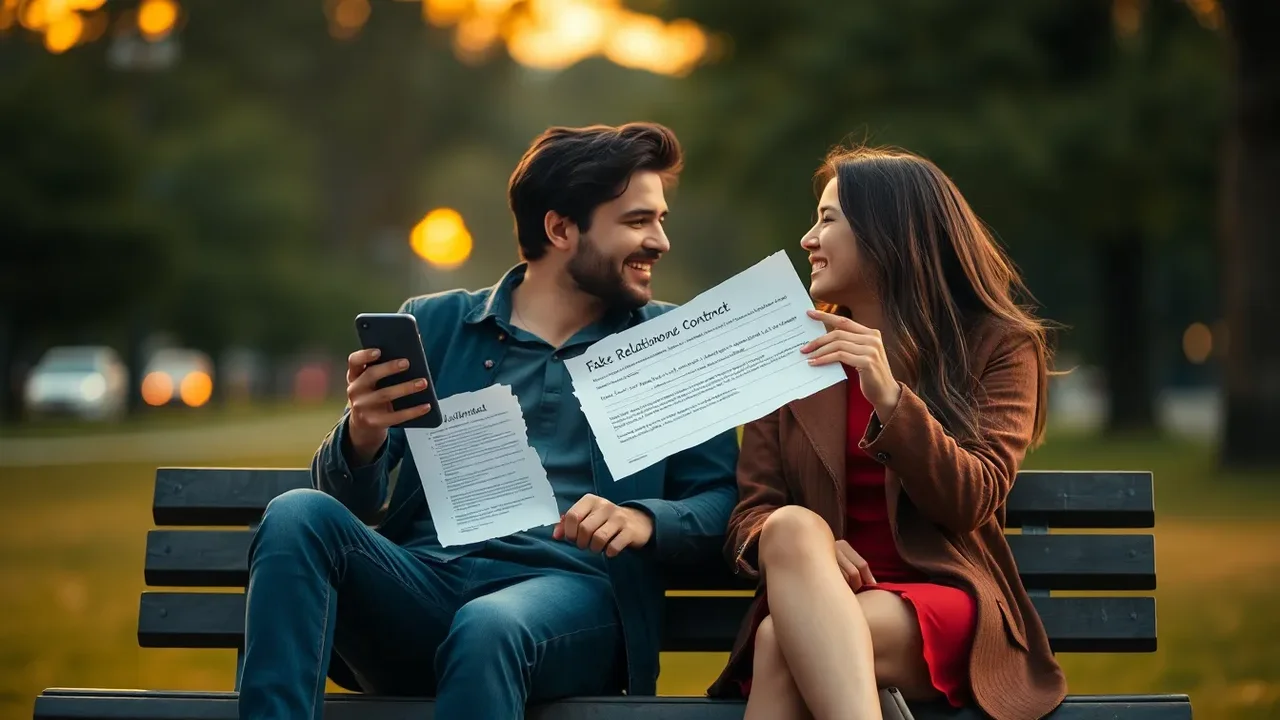
A fake relationship is a consensual arrangement between two individuals who pretend to be romantically involved for a specific purpose—often to appease family expectations, gain social status, avoid unwanted attention, or satisfy a contract. While the premise is artificial, the dynamics that unfold can feel surprisingly real. Common scenarios include hiring a pretend partner for a wedding, acting as a couple for a business deal, or faking a relationship to escape a matchmaking pressure. These setups usually come with a clear set of rules: no genuine emotional entanglement, a predetermined time frame, and occasionally a script of public behavior. Yet, the boundaries that are meant to keep feelings at bay often become the very lines that people begin to blur.
In many cases, the fake relationship starts with a transactional mindset. Both parties understand they are playing roles. They agree on how to hold hands, which stories to tell, and what level of physical intimacy is acceptable. The arrangement is built on mutual benefit rather than love. For example, a professional friend might be hired to pose as a date for a family reunion. Another common example is two colleagues who pretend to be in a relationship to secure a joint project or to avoid office gossip. The key is that the relationship is a performance, not a spontaneous emotional bond.
However, acting out romance day after day has a way of eroding the wall between pretense and reality. When you spend hours laughing together, sharing meals, listening to each other’s worries, and physically acting like you are in love, the brain begins to generate real affection. This phenomenon is rooted in proximity and cognitive dissonance. If you behave as though you love someone, your mind may eventually create the feeling to match the behavior. This is why so many fake relationships unexpectedly turn real—and why they can become perfect when both partners are open to the evolution.
Why Fake Relationships Sometimes Turn Real
The transition from fake to real is not accidental. It happens because the conditions for genuine intimacy are already present. When two people spend significant time together in a context of trust and cooperation, they naturally begin to value each other. Added to this is the power of shared vulnerability. In a fake relationship, you often share secrets about why you need the arrangement, and that honesty breeds closeness. You might also face external challenges together (e.g., a skeptical relative, a difficult work situation) that transform you into a team. This teamwork fosters a bond that feels authentic.
Another driving force is the lack of initial romantic pressure. Because the relationship starts as a performance, there is no fear of rejection or expectation of lifelong commitment. Both partners are free to be themselves in many ways—they know the other person isn’t judging them for romantic potential. This relaxed atmosphere often allows the true personalities to shine. And when you start to admire the real person behind the act, the lines blur fast.
Real-life examples abound: friends who agreed to fake a relationship for a semester to keep their families happy, only to realize they had fallen deeply in love. Or two actors who pretended to date for media attention and ended up getting married. These stories are popular in fiction, but they happen in reality too. The underlying pattern is always the same: consistent, positive interaction over time leads to emotional attachment.
Signs Your Fake Relationship Is Becoming Genuine
It can be confusing to recognize when a performance turns into something real. Below is a list of common signs that indicate the transition is underway. Pay attention to these behavioral and emotional cues:
- You miss them when you are apart. Genuine longing goes beyond the act.
- You drop the script. You no longer feel the need to rehearse what to say; conversations feel natural.
- Physical touches become instinctive. Holding hands or hugging happens without thinking, even when no one is watching.
- You start making future plans that include each other. Not just for the fake scenario, but for real life—vacations, shared hobbies, career moves.
- Jealousy appears. Seeing them flirt with someone else genuinely bothers you.
- You share deeper personal information. The conversation goes beyond the arrangement; you talk about fears, dreams, and past hurts.
- You feel protective of them. You want to defend them even when it’s not part of the act.
Recognizing these signs early can help you decide whether to acknowledge the growing feelings or to reinforce the original boundaries. But if both parties feel the same, the fake relationship can evolve into a perfect real one.
The Perfect Transition: From Performance to Partnership
When a fake relationship turns real, the foundation is often stronger than a typical start. Why? Because you already know each other’s flaws, you have already weathered mock family dinners, and you have already negotiated complicated social situations together. This shared history creates a shortcut to deep intimacy. You skip the awkward first-date phase and go straight to comfortable companionship.
| Aspect | Fake Relationship | Transitioning Phase | Real Perfect Relationship |
|---|---|---|---|
| Communication | Scripted, goal-oriented | Honest and vulnerable | Open and supportive |
| Physical intimacy | Choreographed for audience | Spontaneous and authentic | Affectionate and natural |
| Emotional investment | Low, transactional | Growing, cautious | Deep, unconditional |
| Future outlook | Limited to arrangement | Exploring possibilities | Shared life goals |
| Trust | Superficial, based on contract | Tested and earned | Unbreakable |
The above table illustrates how each dimension evolves. Notice that the transition phase is the crucial period where both individuals must courageously communicate their real feelings. If one person fears losing the arrangement or hurting the other, they might stay silent. That silence can prevent the perfect outcome. The best fake-to-real stories happen when both parties are brave enough to admit they want more.
Making It Perfect: Keys to a Lasting Bond
Once you admit that the fake relationship is now real, the work is not over. You must cultivate the bond to ensure it remains healthy and perfect. Here are practical steps:
- Set new boundaries. The old rules of the arrangement no longer apply. Discuss what you both want moving forward—be exclusive? Move in together? Introduce each other as a real couple?
- Rebuild trust based on honesty. The original trust was about performance. Now you need trust about real emotions and intentions.
- Celebrate your unique story. Embrace the unusual beginning. It’s a special narrative that makes your relationship memorable.
- Keep the fun alive. The playful, low-pressure vibe that started the relationship should not disappear. Continue to enjoy each other’s company without heavy expectations.
- Communicate constantly. Because this relationship began as a lie, some insecurity might linger. Regular check-ins about feelings can prevent misunderstandings.
When these elements are in place, a fake relationship that turns real often feels perfect because it was built on a foundation of mutual respect and shared experience rather than initial infatuation. Couples who have walked this path say their love is more grounded, more patient, and more resilient.
Examples in Popular Culture and Real Life
Fiction loves this trope, and many real people have lived it. For instance, the popular film The Proposal shows a boss and assistant who fake an engagement for immigration purposes and eventually fall in love. In real life, there are countless stories of couples who started as fake dates for weddings or family events and ended up married decades later. One well-documented case is that of an actor and a publicist who pretended to be together to boost their careers; they eventually got married and have been together for years. The common thread is that the shared performance created an unbreakable bond.
Practical Steps to Navigate the Transition
If you find yourself in a fake relationship that is sprouting real feelings, here are actions you can take:
- Assess your own feelings honestly. Write down what you feel and why. Are you attracted to the person or just the situation?
- Watch for mutual signals. Does the other person seem to be dropping the act? Do they initiate real conversations or show genuine concern for your well-being?
- Choose the right moment to talk. Avoid high-stress public settings. Have a private, calm conversation where you both can speak without pressure.
- Be prepared for any outcome. The other person might not feel the same. That’s okay—the arrangement may need to end, but you will have gained clarity.
- If feelings are mutual, gradually dismantle the fake framework. Stop pretending to be a couple only for show; start being a couple for real. Introduce yourself as a true partner to friends and family.
These steps ensure that the transition is respectful and reduces the risk of hurting each other. A perfect relationship born from a fake one is possible, but only when both people are willing to be vulnerable and honest.
Common Pitfalls to Avoid
Not every fake relationship that turns real ends perfectly. Common problems include:
- One-sided feelings. Only one person falls in love, leading to heartbreak and a messy end to the arrangement.
- Lingering distrust. The initial deception (even if agreed upon) can make it hard to trust later on. Partners may wonder if the love is also just a performance.
- Pressure from outsiders. Friends and family who knew about the fake arrangement might not take the real relationship seriously.
- Rushing to commitment. Because you already know each other well, you might skip important relationship milestones, leading to later regret.
Avoiding these pitfalls requires open communication and patience. Remember that turning a fake relationship into a perfect, real one is a journey, not an instant transformation. With care, it can become one of the most beautiful love stories you will ever experience.
FAQ - Fake Relationships That Turn Real
Can a fake relationship actually turn into a real, loving relationship?
Yes, it happens more often than people think. When two individuals spend significant time together in a trusting, cooperative environment, genuine emotional bonds can form. The key is that both parties must be open to the possibility and willing to communicate honestly about their evolving feelings.
How do I know if my fake relationship is becoming real?
Look for signs such as missing the person when apart, natural physical affection without an audience, sharing deeper personal stories, feeling jealous, and making future plans together that extend beyond the original arrangement. These cues indicate that the performance is giving way to genuine attachment.
What should I do if I start having real feelings for my fake partner?
First, take time to understand your own feelings. Then look for reciprocal signals. Choose a private moment to have an honest conversation about your emotions. Be prepared for any outcome—whether your partner feels the same or not, clarity will help you both decide the next steps.
What are the risks of a fake relationship turning real?
Common risks include one-sided feelings (unrequited love), lingering distrust due to the initial deception, external pressure from people who knew about the fake arrangement, and rushing into commitment without proper relationship building. Maintaining open communication can help mitigate these risks.
Can a fake relationship that turns real last forever?
Yes, many such relationships have led to long-term partnerships and marriages. The foundation of shared experiences, mutual respect, and proven compatibility often makes these relationships stronger than those that start with pure infatuation. However, like any relationship, it requires ongoing effort, trust, and communication.
How do we transition from a fake relationship to a real one without awkwardness?
Gradually dismantle the fake framework by having an honest conversation about your intentions. Stop performing for others and start being yourselves. Redefine boundaries and expectations. Introduce each other as real partners to friends and family. The key is to move at a pace that feels comfortable for both, while maintaining the playful, low-pressure spirit that made the original arrangement enjoyable.
A fake relationship that turns real and perfect happens when two people start a pretend romance for practical reasons but gradually develop genuine feelings through shared experiences, trust, and vulnerability. With honest communication and mutual openness, these relationships often become stronger than traditional ones, built on proven compatibility and deep emotional intimacy.
A fake relationship that turns real is more than a romantic trope—it is a testament to the power of human connection. When two people start as performers and end as partners, they have already proven they can navigate challenges, laugh in the face of awkwardness, and see each other's true selves. The journey from pretense to authenticity is delicate, but with honesty, courage, and a willingness to embrace the unexpected, it can lead to a love that feels not only real but perfect. Every fake relationship holds the potential for a genuine, lasting bond; all it takes is two brave hearts willing to drop the script and write a new story together.
