Family as the Crucible of Identity
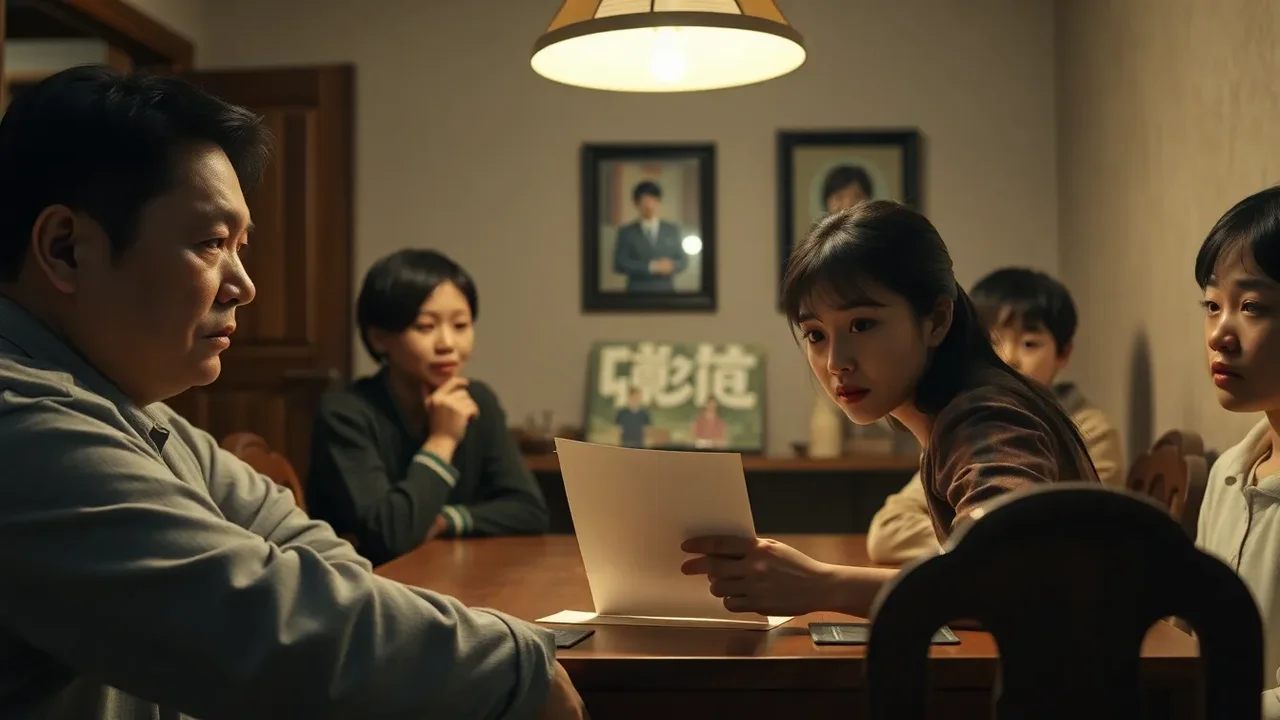
In the world of doramas, family dynamics are not merely background details; they are the crucible in which a character's identity is forged. From the strict, hierarchical households of Japanese doramas to the warm, often chaotic family units in Korean dramas, the interactions between parents, siblings, and extended relatives shape a character's core values, fears, and aspirations. These relationships provide the foundational experiences that determine how a character responds to conflict, love, and personal failure. For instance, a protagonist raised in a supportive, communicative family is likely to exhibit resilience and empathy, while one from a fractured or abusive home may struggle with trust or self-worth. Understanding this dynamic is essential for viewers who wish to appreciate the depth of character arcs in doramas.
Parental Expectations and the Weight of Legacy
Parental expectations are a recurring theme in doramas, often serving as the primary source of internal and external conflict. In many East Asian cultures, filial piety and the desire to uphold family honor are deeply ingrained. Doramas frequently explore the tension between a character's personal dreams and their parents' ambitions for them. For example, in the Korean drama Itaewon Class, the protagonist Park Sae-ro-yi's defiance against his father's wishes and later his quest for justice are directly tied to his father's death and the values his father instilled in him. Similarly, in the Japanese drama Hanzawa Naoki, the protagonist's relentless pursuit of success is fueled by a deep-seated need to prove his worth to a demanding, corporate father figure. The pressure to succeed academically or professionally often leads to characters developing perfectionism, anxiety, or rebellious streaks. Conversely, overly permissive parents can result in characters who lack direction or accountability. The table below illustrates common parental archetypes and their typical effects on character development:
| Parental Archetype | Example Dorama | Character Trait Developed |
|---|---|---|
| Authoritarian (high expectations, low warmth) | Sky Castle (Korean) | Perfectionism, anxiety, secret rebellion |
| Supportive but overprotective | My Mister (Korean) | Dependence, guilt, eventual independence |
| Absent or neglectful | Mother (Japanese) | Resilience, emotional detachment, or deep longing for connection |
| Warm and encouraging | Reply 1988 (Korean) | Confidence, empathy, strong social bonds |
Sibling Rivalry and Bonding
Sibling relationships in doramas are powerful drivers of character growth. Rivalry between siblings often stems from competition for parental approval or resources, leading to jealousy, betrayal, or a fierce drive to outdo one another. In the Taiwanese drama Meteor Garden, the rivalry between the protagonist and her brothers (though not biological) creates tension that forces her to assert her own identity. On the other hand, strong sibling bonds provide a safe haven for characters to express vulnerability and develop loyalty. The Korean drama Hospital Playlist beautifully showcases how the sibling-like bonds among friends (often referred to as ‘found family’) can substitute for biological siblings, offering emotional support and accountability. A common trope is the older sibling who sacrifices their own dreams for the younger one, leading to a complex mix of resentment and deep love. This dynamic teaches characters about responsibility, compromise, and the importance of setting boundaries.
Generational Conflict and Cultural Shifts
Doramas often highlight the clash between traditional values held by older generations and the modern aspirations of younger characters. This generational conflict is a rich source of character development. For example, in the Japanese drama Oshin, the protagonist's struggles against her family's poverty and traditional gender roles shape her into a determined, resilient woman. In modern Korean dramas like When the Camellia Blooms, the conflict between a single mother and her own mother regarding societal judgment forces the protagonist to confront her own insecurities and fight for her dignity. This conflict can lead to characters becoming either more rigid in their beliefs or more open to change, depending on how they resolve the tension. Often, the resolution comes through a mutual understanding where the younger generation learns to appreciate tradition while the older generation accepts change, resulting in characters who are more balanced and empathetic.
Family Secrets and Their Unraveling
Hidden family secrets are a staple of dorama plotlines, serving as catalysts for profound character transformation. Discovering a secret—such as an adoption, a hidden affair, or a past crime—can shatter a character's sense of self. In the Korean drama My Golden Life, the protagonist's life is turned upside down when she discovers she was switched at birth, leading to an identity crisis and a journey of self-discovery. Similarly, in the Japanese drama Grand Maison Tokyo, the protagonist's past failures and family estrangement drive his obsessive quest for culinary perfection. The process of uncovering and confronting these secrets forces characters to reassess their values, forgive themselves and others, and ultimately redefine who they are. This often results in a more authentic and grounded character by the series' end.
Economic Hardship and Family Sacrifice
Economic status is another critical family dynamic that shapes character development. Many doramas explore the struggles of lower-income families and the sacrifices they make for each other. Characters from impoverished backgrounds often develop a strong work ethic, resourcefulness, and a deep appreciation for small joys. However, they may also grapple with shame, envy, or a fear of failure. In the Korean drama Fight for My Way, the protagonists come from humble families and must navigate societal pressures while chasing their dreams. The support (or lack thereof) from their families directly impacts their self-esteem and perseverance. Conversely, characters from wealthy families may struggle with isolation, entitlement, or the pressure to maintain status. The drama Mine explores how extreme wealth can corrupt family bonds, leading characters to question their morality and seek genuine connections.
Divorce, Remarriage, and Blended Families
Divorce and remarriage are increasingly common themes in modern doramas, reflecting changing social norms. Characters from divorced families often develop a strong sense of independence but may also fear commitment or have trust issues. In the Japanese drama Woman, the protagonist's struggle as a single mother after her husband's death highlights the resilience and sacrifices required to raise children alone. Blended families, as seen in the Korean drama My Unfamiliar Family, introduce complex dynamics of loyalty, jealousy, and adaptation. These situations force characters to learn negotiation, patience, and the true meaning of family beyond blood relations. The development often involves a character moving from resentment to acceptance, gaining emotional maturity in the process.
Gender Roles and Family Expectations
Family dynamics in doramas frequently reinforce or challenge traditional gender roles. Daughters may be expected to be nurturing and obedient, while sons are pressured to be providers and protectors. Characters who defy these expectations undergo significant growth. For example, in the Korean drama The King's Affection, a female protagonist is forced to live as a male heir due to family and political pressures, leading to a complex exploration of identity and gender. Similarly, in It's Okay to Not Be Okay, the male lead's role as a caretaker for his autistic brother challenges traditional masculinity, allowing him to develop empathy and vulnerability. These narratives encourage characters to define their own identities outside of societal norms, often resulting in more authentic and fulfilling lives.
The Role of Extended Family and Ancestors
In many doramas, extended family members such as grandparents, uncles, and aunts play pivotal roles. Grandparents, in particular, are often depicted as wise figures who impart life lessons or as conservative forces that hinder progress. In the Chinese drama The Story of Ming Lan, the protagonist's grandmother serves as her mentor, teaching her survival skills and moral principles that shape her into a shrewd and compassionate woman. Ancestral traditions and family history also influence character motivation. A character might be driven to restore their family's honor or break free from a painful legacy. This connection to the past provides a rich backdrop for character development, as protagonists must reconcile their personal desires with their family's history.
Practical Applications for Writers and Viewers
Understanding these dynamics can enhance both the creation and appreciation of doramas. For writers, crafting authentic family dynamics requires careful consideration of cultural context and character backstory. A useful exercise is to map out a character's family tree and identify key emotional events that shaped them. For viewers, paying attention to family scenes can provide deeper insight into a character's motivations. For example, a character who is overly controlling might have grown up in a chaotic household where they felt powerless. The following list summarizes effective ways to analyze family dynamics in doramas:
- Identify the primary family conflict (e.g., generational gap, sibling rivalry, financial stress).
- Observe communication patterns (e.g., open vs. secretive, respectful vs. dismissive).
- Note moments of family support or betrayal that change the character's trajectory.
- Consider the cultural context (e.g., Confucian values in Korean families vs. more individualistic Japanese families).
- Track how the character's relationship with family evolves over the series (e.g., from rebellion to reconciliation).
Examples of Iconic Character Transformations
Several doramas are particularly effective at showcasing family-driven character development. In My Mister, the male lead's strained relationship with his brothers and his mother's quiet support leads him to confront his own emotional numbness. In Crash Landing on You, the female lead's family wealth and expectations initially make her seem cold, but her interactions with the warm, communal family of the male lead transform her into a more caring and humble person. The Japanese drama Quartet explores how four individuals, each with troubled family pasts, form a makeshift family that allows them to heal. These examples demonstrate that whether through conflict or connection, family dynamics are the engine of character growth in doramas, making stories relatable and emotionally resonant.
FAQ - The Role of Family Dynamics in Character Development in Doramas
How do family dynamics influence the main character's personality in doramas?
Family dynamics serve as the primary foundation for a character's personality in doramas. For example, a character raised in a supportive, communicative family often develops empathy and resilience, while one from a strict or neglectful household may exhibit anxiety, rebellion, or emotional detachment. These traits are directly shaped by interactions with parents, siblings, and extended family.
What are common family conflicts that drive character arcs in doramas?
Common family conflicts include generational clashes over values or career choices, sibling rivalry for parental approval, hidden family secrets (e.g., adoption or affairs), and economic hardship leading to sacrifice or resentment. These conflicts force characters to reassess their identities and often result in significant personal growth.
Can family dynamics in doramas reflect real cultural values?
Yes, doramas often mirror real cultural values, such as filial piety in Korean and Japanese societies, the importance of family honor, and gender role expectations. These cultural underpinnings make the character development authentic and relatable to viewers from similar backgrounds, while also educating global audiences.
How do sibling relationships affect character development in doramas?
Sibling relationships can foster loyalty, responsibility, or rivalry. For instance, an older sibling who sacrifices for younger ones may develop a sense of duty but also resentment, while a younger sibling might struggle with guilt or the need to prove themselves. These dynamics are pivotal in shaping a character's sense of self and their ability to form relationships outside the family.
What role do family secrets play in character transformation?
Family secrets act as catalysts for profound transformation. Discovering a secret, such as a hidden past or a betrayal, often shatters a character's worldview, leading to an identity crisis. The process of confronting and resolving these secrets forces characters to develop self-awareness, forgiveness, and a more authentic sense of identity.
How can viewers use family dynamics to better understand dorama characters?
Viewers can analyze family dynamics by observing communication patterns, identifying key conflicts, and noting moments of support or betrayal. Understanding the cultural context and tracking how a character's relationship with family evolves provides deeper insight into their motivations and emotional growth throughout the series.
Family dynamics in doramas are central to character development, shaping personalities through parental expectations, sibling relationships, generational conflict, and hidden secrets. These interactions influence traits like resilience, anxiety, and empathy, driving character arcs. Understanding these dynamics enhances viewer appreciation and provides insight into cultural values, making doramas emotionally resonant and relatable.
In conclusion, family dynamics are the invisible threads that weave together the tapestry of character development in doramas. Whether through the weight of parental expectations, the heat of sibling rivalry, the pain of hidden secrets, or the warmth of unconditional support, these relationships are the primary forces that shape a character's journey from beginning to end. The most memorable doramas are those that authentically portray these dynamics, allowing viewers to see themselves in the struggles and triumphs of the characters. Ultimately, the family—whether biological or chosen—remains the most powerful crucible for growth, teaching lessons of love, sacrifice, and identity that resonate across cultures and generations.