Defining the Heartbreaking Confession
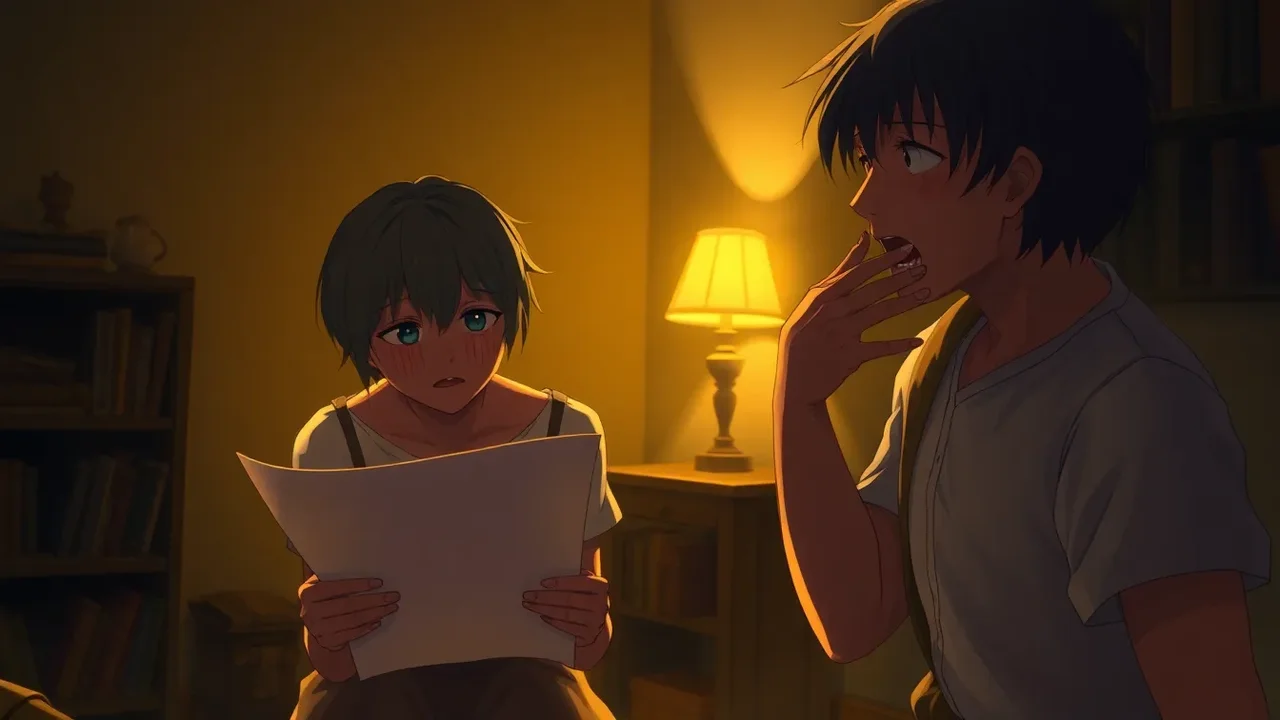
A confession scene in fiction is a pivotal moment when a character reveals a deeply held truth—often a secret, a guilt, a love, or a failing—that has been buried or denied. The most heartbreaking confessions are those that strip away defenses, leaving the character vulnerable to judgment, loss, or irrevocable change. These scenes resonate because they mirror our own fears of rejection and the weight of honesty. To understand what makes a confession truly heartbreaking, we must examine its core components: the stakes, the emotional honesty, and the aftermath.
Elements That Amplify Heartbreak
Several structural and emotional elements elevate a confession from merely dramatic to deeply affecting. First, vulnerability is essential. The character must risk everything—their relationship, their self-image, their safety. Second, timing often works against them: a confession that comes too late or in the wrong context heightens tragedy. Third, the listener’s reaction can either compound the sorrow or offer a fragile hope. Finally, the irreversibility of the confession—the knowledge that things will never be the same—anchors the viewer or reader in that moment of truth.
- Vulnerability: The character exposes their deepest shame, love, or guilt without knowing the outcome.
- Stakes: The confession risks losing a relationship, a reputation, or a sense of self.
- Timing: Often the confession occurs when it is too late for redemption or reconciliation.
- Listener Response: The reaction of the confidant can either soften the blow or intensify the heartbreak.
- Irreversibility: Once spoken, the words cannot be taken back; the narrative pivots permanently.
Literary Confessions That Shatter the Heart
Amir’s Confession to Soraya in ‘The Kite Runner’
In Khaled Hosseini’s novel, Amir carries the secret of watching Hassan be raped and later framing him for theft. Years later, having married Soraya, he finally confesses his cowardice and betrayal. The scene is set in a quiet moment, and the confession is raw: “I think I know what you want to say, Amir jan. And I want you to tell me. But I need you to tell me what you did, not what you saw.” Soraya’s gentle demand forces Amir to admit his own complicity. The heartbreak lies in his shame and in Soraya’s tears—not of anger but of sorrow for the boy he once was. This confession is not about receiving forgiveness but about releasing a poison that had infected his entire life.
Briony’s Letter in ‘Atonement’
Ian McEwan’s novel ends with the elderly Briony Tallis confessing in a letter that the reunion she wrote for Cecilia and Robbie was a fiction. In reality, Robbie died of sepsis in Dunkirk, and Cecilia was killed in a bombing. Briony’s confession is a desperate attempt to atone, but it comes decades too late. The heartbreaking irony is that the very act of confessing—writing the truth—cannot undo the lie she told as a child. The confession is a meta-textual moment: Briony, the author, admits her sin to the reader. The emotional weight is amplified by the knowledge that the lovers never had their happy ending. The confession is both an act of courage and a final, futile gesture.
Snape’s Memories in ‘Harry Potter’
In J.K. Rowling’s series, the most devastating confession is not spoken aloud but revealed through memories. After Snape’s death, Harry views his memories in the Pensieve. Snape’s last plea to Dumbledore—“Always”—is a confession of lifelong, unrequited love for Lily Potter. The scene is heartbreaking because it reframes a character who seemed cruel and bitter as a man whose love was his only constant. The confession comes too late for Snape to ever know that Harry understood, and it forces Harry to grapple with complex forgiveness. The visual of Snape cradling Lily’s body is seared into readers’ minds. The confession is not about words but about the weight of a life lived in devotion and sorrow.
Film and Television Confessions That Leave Us Breathless
Kaori’s Letter in ‘Your Lie in April’
In the anime series, Kaori Miyazono suffers from a terminal illness and dies before she can confess her love to Kosei Arima. After her death, she leaves a letter that reveals her true feelings. The confession is a cascade of emotions: she admits she lied about liking another boy, she tells Kosei why she entered his life, and she thanks him for letting her feel alive. The heartbreaking twist is that she knew she was dying and orchestrated their time together. The confession is the climax of the entire story, and viewers are left sobbing as Kosei reads the letter. The revelation that her every act was a gift—and that she never got to see his reaction—makes the scene unforgettable.
Ennis’s Confession in ‘Brokeback Mountain’
In the film, Ennis Del Mar’s confessions are sparse but devastating. The most heartbreaking occurs when he visits Jack Twist’s childhood home after Jack’s death and discovers the two shirts hidden in the closet—one of his own wrapped inside Jack’s. Ennis breaks down, whispering “Jack, I swear—” but never finishing the sentence. This unspoken confession of love and regret is more powerful than any direct statement. The scene captures the tragedy of a lifetime of denial and the realization that the only person who truly knew him is gone. The confession is in the act of holding the shirts, a physical plea for a love that can never be returned.
Joel’s Confession in ‘The Last of Us’
In the video game, Joel Miller confronts Ellie after she nearly drowns. He confesses that he has been lying about the Fireflies: they were going to kill her to create a cure, and he stopped them. The confession is raw and desperate: “I’m not like you, Ellie. I’m not a good person.” The heartbreak stems from Joel’s terror of losing another daughter figure and Ellie’s dawning horror that the cure may have been possible. The scene forces players to grapple with moral ambiguity. Joel’s confession is an act of selfish love, and it forever changes the relationship between them. The quiet, tearful delivery makes it one of the most painful moments in gaming.
Comparative Table of Heartbreaking Confessions
| Work | Character | Nature of Confession | Emotional Impact |
|---|---|---|---|
| The Kite Runner | Amir | Admitting cowardice and betrayal of Hassan | Shame, guilt, fragile hope of redemption |
| Atonement | Briony | Revealing her false narrative of reunion | Ironic sorrow, futility of atonement |
| Harry Potter | Snape | Lifelong love for Lily | Devotion, loss, reinterpretation of character |
| Your Lie in April | Kaori | Unrequited love expressed posthumously | Tragedy, gratitude, overwhelming sadness |
| Brokeback Mountain | Ennis | Unspoken love revealed through shirts | Regret, repression, irreversible loss |
| The Last of Us | Joel | Admitting he stopped the cure | Selfish love, moral weight, broken trust |
Practical Information for Writers Crafting Confession Scenes
Building Emotional Authenticity
To create a heartbreaking confession, writers must ground the scene in the character’s distinct voice and history. The confession should feel earned—it must be the culmination of internal conflict. Use restrained dialogue; sometimes what is left unsaid is more powerful. Let the physical setting mirror the emotional tone: a quiet room, a rainy street, a letter. Allow pauses and silences to work their magic. The confession should change the narrative trajectory irreversibly; the story after the confession should be different from before.
Common Pitfalls to Avoid
- Over-explanation: A confession that spells out every emotion can feel melodramatic. Leave room for the audience to infer.
- Too convenient: A confession should feel like a risk, not a plot device. If the character confesses only because the plot requires it, the heartbreak diminishes.
- Ignoring consequences: The confession must have real fallout. Avoid immediately resolving the tension; let the pain linger.
- Inconsistent character: The confession should align with the character’s established psychology. A sudden turn can break believability.
The Power of the Unspoken: When Confessions Are Silent
Actions as Confessions
Some of the most heartbreaking confessions are never verbalized. In ‘The Remains of the Day’, Stevens’s confession of his love for Miss Kenton is revealed only through his self-deception and the final scene of a bird taking flight. In ‘Eternal Sunshine of the Spotless Mind’, Joel’s confession is the act of trying to preserve memories of Clementine even as they are erased. These silent confessions resonate because they ask the audience to interpret the character’s inner life. They mirror real-life regret, where people often realize their feelings too late to speak them aloud.
Visual Storytelling Techniques
Filmmakers use lighting, close-ups, and sound to amplify confessions. A confession delivered in a single take with no cuts (like in ‘The Office’ when Jim tells Pam he loves her—though that is more romantic than heartbreaking) creates intimacy. Conversely, confession scenes that are interrupted or cut short (like in ‘Brokeback Mountain’) leave the audience aching for completion. The choice of music can either underscore emotion or provide a stark contrast; silence often works best for raw honesty.
Cultural Variations in Confession Scenes
Eastern vs. Western Storytelling
In many Western narratives, confessions often aim for catharsis and closure. In Eastern narratives, especially in Japanese media, confessions may be indirect, couched in metaphor or ritual. For example, in the anime ‘Clannad: After Story’, Tomoya’s confession to Nagisa about his fear of becoming his father is understated, yet the emotional weight is immense. The cultural context shapes how vulnerability is expressed. Understanding these differences can help writers create more authentic and moving scenes for diverse audiences.
Genre-Specific Confessions
In romance, confessions often lead to union; in tragedy, they lead to separation. In crime fiction, a confession might be extracted under duress, making it both a legal and emotional act. In fantasy, confessions may involve magical consequences—like a truth-telling potion. The genre dictates the stakes. However, regardless of genre, the core of a heartbreaking confession is the character’s willingness to risk losing everything for the truth.
FAQ - The Most Heartbreaking Confession Scene in Fiction
What defines a confession scene as 'heartbreaking' rather than just dramatic?
A heartbreaking confession scene goes beyond mere revelation; it involves high emotional stakes, deep vulnerability, and often an irreversible consequence. The character risks losing a relationship, their self-image, or a chance at redemption. The listener's reaction—whether tears, silence, or rejection—amplifies the sorrow. The scene stays with the audience because it feels raw and true to human experience.
Can a confession scene be heartbreaking even if it leads to a happy ending?
Yes. Heartbreak can stem from the confession itself—the pain of admitting a truth—even if the outcome is positive. For example, a character confessing a deep fear or past mistake might be heartbreaking because of the shame involved, but the scene can end in forgiveness. The emotional journey of vulnerability is what resonates, not just the conclusion.
Why are posthumous confessions often considered the most devastating?
Posthumous confessions, like letters or memories revealed after death, lack the opportunity for response or closure. The confessor can never see the listener’s reaction or receive forgiveness. This asymmetry magnifies the tragedy. Examples include Kaori’s letter in 'Your Lie in April' and Snape’s memories in 'Harry Potter', which haunt the survivors and the audience.
How do writers make a confession scene feel authentic and not melodramatic?
Authenticity comes from grounding the confession in the character’s unique voice and history. Avoid over-explaining emotions; use pauses, stutters, and incomplete sentences. The setting should reflect the mood but not overshadow the dialogue. Finally, the confession must have real consequences—the story should change as a result. Overly convenient or neatly resolved confessions feel forced.
What role does the listener play in a heartbreaking confession scene?
The listener’s response is crucial—they can either deepen the heartbreak with their own pain or soften it with compassion. A silent, tearful reaction often hurts more than anger. In some cases, the listener’s inability to respond (e.g., a phone call that drops) or their forgiveness that comes too late adds layers of tragedy. The dynamic between confessor and listener defines the scene’s emotional impact.
Are there cultural differences in how confession scenes are portrayed across fiction?
Yes. Western narratives often favor direct, cathartic confessions that seek closure, while Eastern narratives may use indirect or symbolic confessions (e.g., a poem, a shared glance). In Japanese media, confessions are often delayed or hidden, making them more poignant when they finally surface. Understanding these cultural nuances can help writers and readers appreciate the breadth of heartbreaking confession scenes.
A heartbreaking confession scene in fiction occurs when a character reveals a deeply held truth—often a secret, guilt, or love—under high emotional stakes, risking everything. Examples include Amir's betrayal confession in 'The Kite Runner', Briony's letter in 'Atonement', and Snape's memories in 'Harry Potter'. These scenes resonate due to vulnerability, timing, and irreversible consequences.
Heartbreaking confession scenes in fiction hold a mirror to our own deepest fears and desires for honesty. They remind us that the truth, no matter how painful, is often the only path toward understanding—even if that understanding comes too late. Whether spoken aloud, written in a letter, or revealed through a silent gesture, these moments linger because they capture the fragile beauty of human vulnerability. As readers and viewers, we are left to ponder: What would we confess, and at what cost?