Cultural Foundations of Dorama Heroines
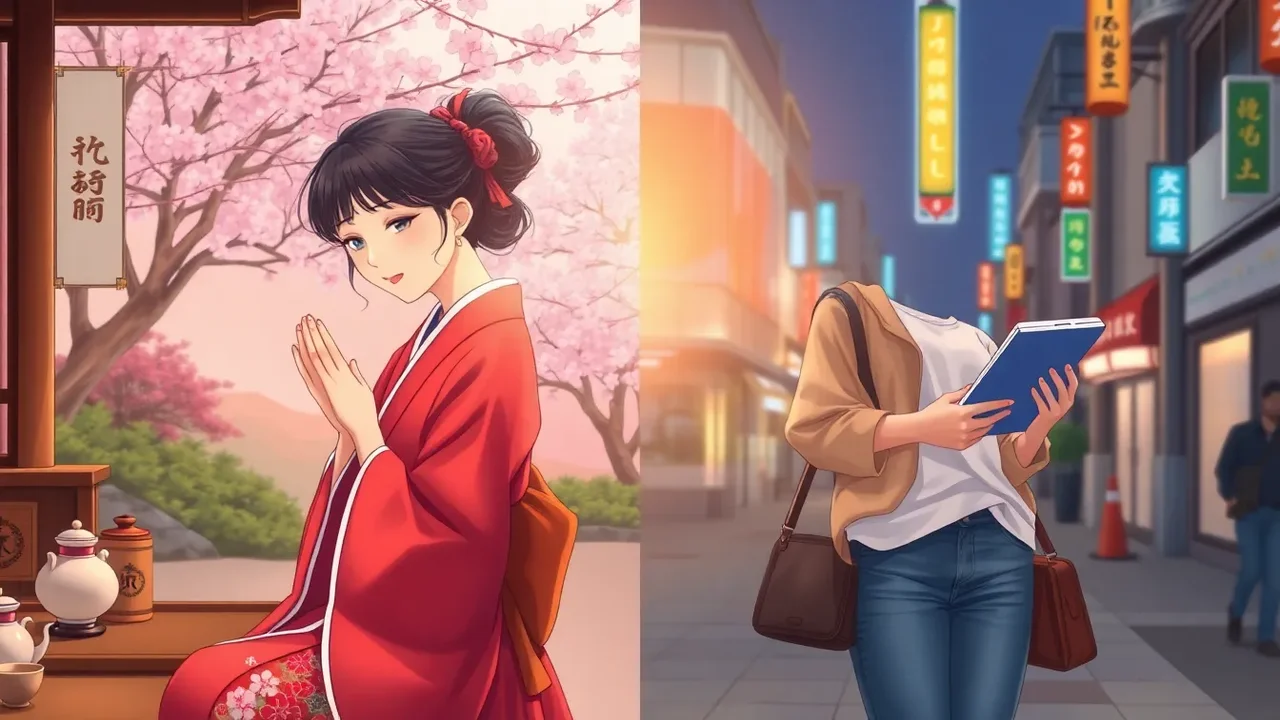
Dorama novel heroines are deeply shaped by the cultural expectations of their originating societies, particularly Japan but also Korea, China, and Taiwan. These expectations dictate not only the heroine's personality and actions but also the narrative arcs that audiences find satisfying. In Japanese culture, the concept of wa (harmony) and gaman (endurance) often define the ideal heroine. She is expected to be polite, self-effacing, and supportive of others before herself. This contrasts with Western heroines who may be more individualistic and assertive from the outset. The dorama heroine's journey typically involves a gradual awakening to her own desires, often catalyzed by a male lead who challenges her passive tendencies. For example, in the classic dorama Hana Yori Dango, Tsukushi Makino starts as a defiant but socially constrained girl who must navigate the rigid hierarchies of her elite school. Her strength lies in her refusal to be bullied, yet she still adheres to cultural norms of loyalty and group harmony. Similarly, in Itazura na Kiss, Kotoko Aihara is clumsy and academically poor but endlessly persistent in her love for Naoki Irie. Her character embodies the cultural expectation that a woman's devotion can eventually win over a cold, superior man. These narratives reflect a societal belief that a heroine's value is often measured by her ability to endure hardship and maintain relationships.
Gender Roles and Family Obligations
Cultural expectations around gender roles heavily influence dorama heroines. In many East Asian societies, women are traditionally seen as caregivers and homemakers. Dorama novels frequently explore the tension between a heroine's personal ambitions and her familial duties. The protagonist might be a career woman who feels pressured to marry or a young housewife striving to balance domestic perfection with self-fulfillment. For instance, in the popular dorama Nodame Cantabile, Nodame is a brilliant but messy pianist who defies conventional expectations of a refined musician. Yet her growth is framed through her relationship with Shinichi Chiaki, and her ultimate success is intertwined with supporting his career. The cultural expectation that a woman should prioritize her partner's dreams over her own is subtly reinforced. Another example is Shitsuren Chocolatier, where the heroine Saeko is portrayed as a sweet, selfless confectioner who endures unrequited love. Her character adheres to the ideal of yamato nadeshiko—the perfect Japanese woman: gentle, graceful, and devoted. These portrayals are not merely coincidental; they stem from deeply ingrained societal norms that value female sacrifice and emotional labor.
Collectivism vs. Individualism
The collectivist nature of East Asian cultures means that dorama heroines often derive their identity from their relationships and group affiliations. Unlike Western heroines who may seek independence through rebellion, dorama heroines typically find fulfillment by strengthening bonds with family, friends, and romantic partners. This is evident in the structure of many dorama plots: the heroine's personal crisis is resolved when she reconnects with her community or learns to accept help from others. For example, in the Taiwanese adaptation of Meteor Garden (based on the same manga as Hana Yori Dango), the heroine Shan Cai (equivalent to Tsukushi) initially fights against the wealthy F4 group but eventually becomes part of their close-knit circle. Her integration into the group symbolizes the cultural value of belonging. Similarly, in the Korean dorama Boys Over Flowers, Geum Jan-di's stubbornness is tempered by her loyalty to her family and friends. The collectivist expectation is that the heroine should not prioritize her own happiness at the expense of others. This creates a narrative tension where the heroine must navigate between personal desires and social harmony, often leading to emotionally charged scenes of sacrifice.
The Role of Confucian Ethics
Confucian principles, which emphasize respect for elders, filial piety, and hierarchical relationships, are a powerful force in shaping dorama heroines. The heroine is often placed in a subordinate position—to her parents, her boss, or her romantic interest—and must demonstrate proper deference. However, modern doramas also explore the conflict between traditional expectations and contemporary individualism. For instance, in Good Morning Call, the heroine Nao lives with a popular boy due to a housing mix-up. She constantly worries about societal judgment and her family's reputation, reflecting the Confucian emphasis on social propriety. In more progressive doramas like Terrace House (though not a novel-based dorama), the participants grapple with traditional gender roles while living together. The heroine's journey often involves learning to assert her own needs without completely abandoning Confucian values. This delicate balance is what makes dorama heroines relatable to audiences who face similar cultural pressures in real life.
| Cultural Expectation | Impact on Heroine | Example Dorama |
|---|---|---|
| Wa (Harmony) | Heroine avoids conflict, prioritizes group peace | Hana Yori Dango (Tsukushi) |
| Gaman (Endurance) | Heroine suffers silently, wins through persistence | Itazura na Kiss (Kotoko) |
| Filial Piety | Heroine obeys parents, often sacrifices love for family | Good Morning Call (Nao) |
| Yamato Nadeshiko | Heroine is gentle, graceful, and devoted | Shitsuren Chocolatier (Saeko) |
| Collectivism | Heroine seeks belonging, finds strength in group | Boys Over Flowers (Jan-di) |
Practical Influence on Plot and Character Development
Writers of dorama novels consciously or unconsciously embed cultural expectations into their heroines to resonate with local audiences. This influences plot devices such as the love triangle, where the heroine must choose between a safe, traditional partner and a rebellious, exciting one. The cultural expectation often pushes her toward the safe choice, but modern narratives subvert this by allowing her to follow her heart. Another common trope is the makeover—the heroine transforms her appearance or behavior to fit societal standards of femininity. In Hana Kimi, the heroine Mizuki disguises herself as a boy to attend an all-boys school, challenging gender norms but ultimately reaffirming her femininity through love. The childhood friend trope is also prevalent, reflecting the cultural value placed on long-term relationships and loyalty. Additionally, the heroine's career path is often constrained by expectations: she may work in traditionally feminine fields like teaching, nursing, or fashion, and her professional success is frequently secondary to her romantic fulfillment. For example, in Rich Man, Poor Woman, the heroine is a job-seeking graduate who eventually helps the male lead run his company, but her personal growth is tied to his approval.
Regional Variations in Cultural Expectations
While Japanese, Korean, Chinese, and Taiwanese doramas share many cultural roots, there are distinct differences in how heroines are portrayed. Japanese heroines often embody kawaii (cuteness) and a sense of moe (endearing vulnerability). They may be more passive and whimsical, like Kotoko in Itazura na Kiss. Korean heroines, on the other hand, are frequently more feisty and outspoken, reflecting a societal shift toward stronger female roles. For instance, in My Love from the Star, the heroine Cheon Song-yi is a famous actress who is confident and demanding, yet still struggles with loneliness and public scrutiny. Chinese dorama heroines often navigate complex family dynamics and historical settings, as seen in Empresses in the Palace, where the heroine must use cunning to survive imperial court politics. Taiwanese heroines tend to be more straightforward and down-to-earth, such as in Fated to Love You, where the heroine is a kind-hearted office worker who becomes entangled with a wealthy heir. These variations highlight how cultural expectations are not monolithic but are interpreted through local lenses.
- Japanese Heroines: Emphasize cuteness, endurance, and subtle emotional growth. Example: Misaki in Maid Sama!
- Korean Heroines: Balance assertiveness with vulnerability, often have strong career ambitions. Example: Hye-jin in What's Wrong with Secretary Kim
- Chinese Heroines: Often face historical or familial constraints, display resilience and intelligence. Example: Wei Yingluo in Story of Yanxi Palace
- Taiwanese Heroines: Down-to-earth, relatable, often caught in accidental romance. Example: Chen Xin-yi in Love You 7000 Days
The Evolution of the Dorama Heroine
As cultural expectations evolve, so do dorama heroines. Contemporary doramas increasingly feature heroines who reject traditional passivity and pursue their own goals. For instance, in Itaewon Class (Korean adaptation), the female lead Jo Yi-seo is a sociopathic but brilliant businesswoman who actively pursues the male lead and challenges his moral code. This reflects a growing acceptance of non-traditional female archetypes. Similarly, Japanese doramas like Hibana: Spark and Quartet showcase heroines who are flawed, ambitious, and unapologetic. However, even these progressive portrayals are still filtered through cultural expectations: the heroine's success is often still measured by her relationships, and her independence is framed as a journey toward self-discovery rather than a rebellion against society. The influence of global media, especially Western streaming services, is also pushing dorama writers to create more diverse heroines. Yet the core cultural values remain, providing a rich tapestry for storytelling. Understanding these expectations is essential for writers and fans alike, as it reveals the deeper social commentary embedded in seemingly simple romantic plots.
Practical Tips for Writers
If you are writing a dorama novel or adapting one, consider the following culturally informed strategies: First, define the heroine's relationship with her family, as this is a primary source of conflict and growth. Second, incorporate moments where the heroine must choose between personal desire and social duty—these are pivotal for character development. Third, use supporting characters like friends or mentors to reflect collective expectations and provide guidance. Fourth, allow the heroine to gradually assert her individuality without completely rejecting her cultural roots. Finally, research specific cultural norms of your target audience, as what works in Japan may not resonate in Korea or China. By respecting these expectations, you can create a heroine who feels authentic and compelling to local readers while still appealing to international audiences.
FAQ - How Cultural Expectations Influence Dorama Novel Heroines
Why are dorama heroines often portrayed as passive or submissive?
This stems from cultural values like wa (harmony) and gaman (endurance) in East Asian societies, where women are traditionally expected to prioritize group cohesion and endure hardship gracefully. Dorama narratives reflect these ideals, but modern variations are increasingly showing heroines who assert themselves.
How do Confucian ethics affect the heroine's family relationships?
Confucian principles emphasize filial piety and respect for elders, so dorama heroines often face conflicts between their personal desires and family obligations. This creates dramatic tension, such as choosing a partner against parental wishes or sacrificing a career for family duty.
Do all East Asian doramas portray heroines the same way?
No. Japanese heroines often emphasize cuteness and endurance, Korean heroines tend to be more assertive, Chinese heroines navigate complex historical or family hierarchies, and Taiwanese heroines are usually down-to-earth. Regional cultural nuances shape these differences.
Can a dorama heroine be both traditional and progressive?
Yes, many contemporary doramas explore this balance. For example, a heroine may initially adhere to traditional roles but gradually embrace independence while still valuing relationships. This reflects the real-life tension many women face in modern East Asian societies.
How do cultural expectations influence the heroine's career in doramas?
Heroines are often shown in traditionally feminine professions like teaching, nursing, or fashion. Their career success is frequently secondary to romantic fulfillment, though newer doramas are challenging this by featuring heroines with ambitious careers in business or tech.
What is the role of the male lead in shaping the heroine's cultural conformity?
The male lead often represents either traditional expectations (e.g., a wealthy, cold CEO) or progressive ideals (e.g., a supportive, understanding partner). The heroine's journey involves negotiating with these influences, and the romance often serves as a catalyst for her personal growth within cultural boundaries.
Cultural expectations in East Asian societies, such as harmony, endurance, and filial piety, profoundly shape dorama novel heroines. These heroines often balance tradition with modernity, navigating gender roles and collectivist norms. Regional variations exist between Japanese, Korean, Chinese, and Taiwanese portrayals, reflecting local values while evolving with global influences.
Cultural expectations are the invisible script that guides the creation and reception of dorama novel heroines. From the gentle endurance of a Japanese Yamato Nadeshiko to the fiery assertiveness of a Korean chaebol heiress, these heroines reflect the values, tensions, and aspirations of their societies. As global audiences embrace these stories, the heroines evolve, blending tradition with modernity. Understanding this cultural framework enriches our appreciation of the narratives and highlights the universal struggle between individual desire and social duty. Ultimately, dorama heroines teach us that while expectations may shape us, the journey of self-discovery is timeless.