The Essence of Redemption Arcs
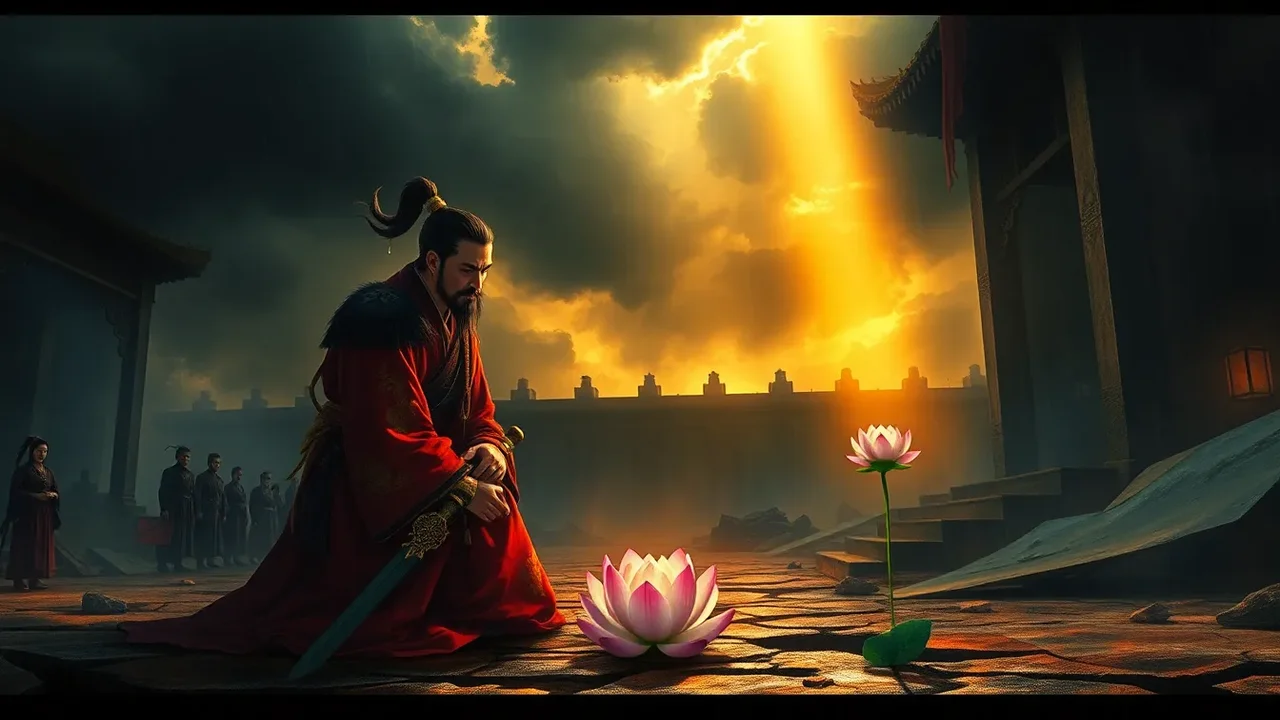
Redemption arcs in Chinese drama novels are narrative devices where a morally flawed or antagonistic character undergoes a profound transformation, seeking to atone for past sins and ultimately achieve moral or spiritual renewal. These arcs resonate deeply with readers because they tap into universal themes of hope, change, and the belief that even the worst individuals can find a path to goodness. In Chinese literature, redemption is often intertwined with concepts of karma, face, and Confucian ethics, making it a culturally rich storytelling tool. The power lies in the emotional journey: readers witness the character's fall, struggle, and eventual rise, creating a cathartic experience that lingers long after the story ends.
- Emotional Catharsis: Readers experience a release of tension as the character confronts their mistakes.
- Moral Complexity: Redemption arcs avoid black-and-white morality, presenting nuanced characters.
- Cultural Resonance: Aligns with Chinese values of self-cultivation and societal harmony.
- Narrative Depth: Adds layers to plot and character development, often spanning multiple volumes.
Common Structures in Chinese Drama Novels
Redemption arcs in Chinese web novels and historical dramas follow a recognizable pattern, though variations abound. The structure typically involves a fall from grace, a catalyst for change, a period of struggle, and a final act of atonement. Understanding this structure helps writers craft compelling stories and readers anticipate emotional beats.
The Fall from Grace
The character begins in a state of moral decay or outright villainy. This could be a ruthless emperor, a betraying general, or a cold-hearted cultivator. The fall is often dramatic, showcasing the character's arrogance, cruelty, or selfishness. For example, in "The Legend of Hao Lan", the protagonist's early ruthlessness sets the stage for later redemption. The fall must be believable and severe enough to make the redemption meaningful.
The Catalyst for Change
Something triggers the character's desire to change. This could be the death of a loved one, a personal failure, or a moment of profound insight. In "The Untamed" (Mo Dao Zu Shi), Wei Wuxian's resurrection and the consequences of his past actions serve as the catalyst. The catalyst often involves a sacrificial act or a shocking revelation that forces the character to confront their flaws.
The Struggle and Sacrifice
The middle portion of the arc is the hardest: the character attempts to make amends but faces internal and external obstacles. They may relapse, face rejection from those they wronged, or struggle with guilt. This phase is crucial for building empathy. In "Nirvana in Fire", Mei Changsu's physical deterioration and strategic sacrifices embody this struggle. The character must lose something precious—status, health, relationships—to prove their sincerity.
The Final Atonement
The climax of the redemption arc is a decisive act that demonstrates the character's transformation. This could be a self-sacrificial death, a public confession, or a lifelong dedication to a noble cause. The atonement must be proportionate to the original sin and often results in the character's death or symbolic rebirth. For instance, in "Eternal Love" (Three Lives Three Worlds), Ye Hua's leap off the Zhu Xian Terrace and subsequent penance exemplifies a final atonement that restores cosmic balance.
Notable Examples in Chinese Drama Novels
| Novel / Drama | Character | Redemption Arc Summary | Impact on Story |
|---|---|---|---|
| Mo Dao Zu Shi (The Untamed) | Wei Wuxian | From demonic cultivator to self-sacrificing hero; dies and is reborn to protect the innocent. | Central plot; explores themes of prejudice and second chances. |
| Nirvana in Fire | Mei Changsu | Formerly a brilliant general betrayed, he fakes his death and returns as a strategist to clear his family's name while dying of poison. | Drives the entire revenge and political intrigue narrative. |
| Eternal Love (Three Lives Three Worlds) | Ye Hua | After causing the death of his beloved, he endures centuries of punishment and ultimately sacrifices his cultivation to save her. | Resolves the tragic love story and restores order. |
| The Legend of Hao Lan | Li Hao Lan | From a naive girl to a ruthless queen; later she repents and works for the kingdom's welfare. | Shows the cost of power and the possibility of change. |
Psychological and Cultural Underpinnings
The appeal of redemption arcs in Chinese drama novels is deeply rooted in cultural psychology. Confucianism emphasizes self-cultivation and the potential for moral improvement, making redemption a virtuous narrative. Buddhist concepts of karma and rebirth also play a role: characters often pay for past sins through suffering and then achieve enlightenment. Additionally, the concept of "face" (mianzi)—social reputation—means that a public act of atonement can restore honor. These cultural elements make redemption arcs feel authentic and morally satisfying to Chinese readers. From a psychological perspective, readers experience vicarious redemption: they project their own desires for forgiveness and growth onto the character, creating a powerful emotional bond.
Practical Tips for Writers
Crafting a compelling redemption arc requires careful planning. Here are practical guidelines based on successful Chinese drama novels:
- Establish Clear Motivation: The character's desire to change must be internally driven, not forced by plot convenience.
- Show, Don't Tell: Use actions and sacrifices to demonstrate change, not just words or internal monologue.
- Balance Sympathy and Accountability: The character should remain responsible for their past deeds even as readers empathize with their struggle.
- Include Relapses: Perfect redemption is unrealistic; allow the character to stumble to increase tension and realism.
- Incorporate Cultural Elements: Use Chinese motifs like filial piety, loyalty, or celestial punishment to deepen the arc.
- Provide a Satisfying Resolution: The atonement must feel earned, and the character's fate should resonate with the themes of the story.
The Reader's Emotional Journey
Readers of Chinese drama novels often describe redemption arcs as the most memorable parts of the story. The emotional journey begins with dislike or hatred for the flawed character, transitions to curiosity and sympathy as the catalyst unfolds, and culminates in tearful catharsis during the final atonement. This rollercoaster of emotions keeps readers engaged and invested. Moreover, redemption arcs often serve as the moral compass of the novel, reinforcing the idea that no one is beyond saving if they are willing to change. In a genre where dramatic twists and intense emotions are the norm, redemption arcs provide a sense of closure and hope that elevates the entire narrative.
FAQ - The Power of Redemption Arcs in Chinese Drama Novels
What makes redemption arcs so popular in Chinese drama novels?
Redemption arcs resonate with Chinese cultural values of self-cultivation, karma, and the possibility of moral improvement. They provide emotional catharsis and allow readers to experience hope and forgiveness through the character's journey.
How do Chinese redemption arcs differ from Western ones?
Chinese arcs often emphasize collective harmony, filial piety, and face (social reputation), whereas Western arcs may focus more on individual guilt and personal salvation. Chinese novels also frequently incorporate Buddhist or Taoist concepts of reincarnation and cosmic justice.
Can a redemption arc work for a side character?
Yes, many Chinese drama novels feature redemption arcs for supporting characters, such as a former villain who becomes an ally. These arcs add depth to the world and can create powerful subplots that enhance the main story.
What are common pitfalls when writing a redemption arc?
Common pitfalls include making the redemption too easy (unearned), failing to hold the character accountable, or rushing the transformation. The character must face real consequences and show genuine change through actions, not just words.
How does the concept of 'face' affect redemption arcs?
In Chinese culture, losing face (social shame) is a strong motivator. A character's redemption often involves a public act of contrition that restores their honor in the eyes of the community, which is deeply satisfying to readers.
Are redemption arcs always about the main protagonist?
Not necessarily. While many protagonists have redemption arcs, antagonists or minor characters can also undergo redemption. For example, in 'The Untamed', the character Jiang Cheng has a subtle redemption arc that enriches the story.
Redemption arcs in Chinese drama novels transform morally flawed characters through cultural themes of karma, face, and self-cultivation. They provide emotional catharsis and narrative depth, often involving a fall, catalyst, struggle, and atonement. Examples like 'The Untamed' and 'Nirvana in Fire' showcase how these arcs resonate with readers, offering hope and moral complexity.
Redemption arcs are a cornerstone of Chinese drama novels, offering readers a profound exploration of human fallibility and the capacity for change. By weaving together cultural values, emotional depth, and narrative complexity, these arcs transform flawed characters into symbols of hope and resilience. Whether through self-sacrifice, public atonement, or quiet perseverance, the power of redemption lies in its ability to remind us that even the darkest paths can lead to light. For writers and readers alike, mastering the redemption arc is to unlock one of the most enduring and moving tools in storytelling.
