The Essence of the Tragic Hero in Doramas
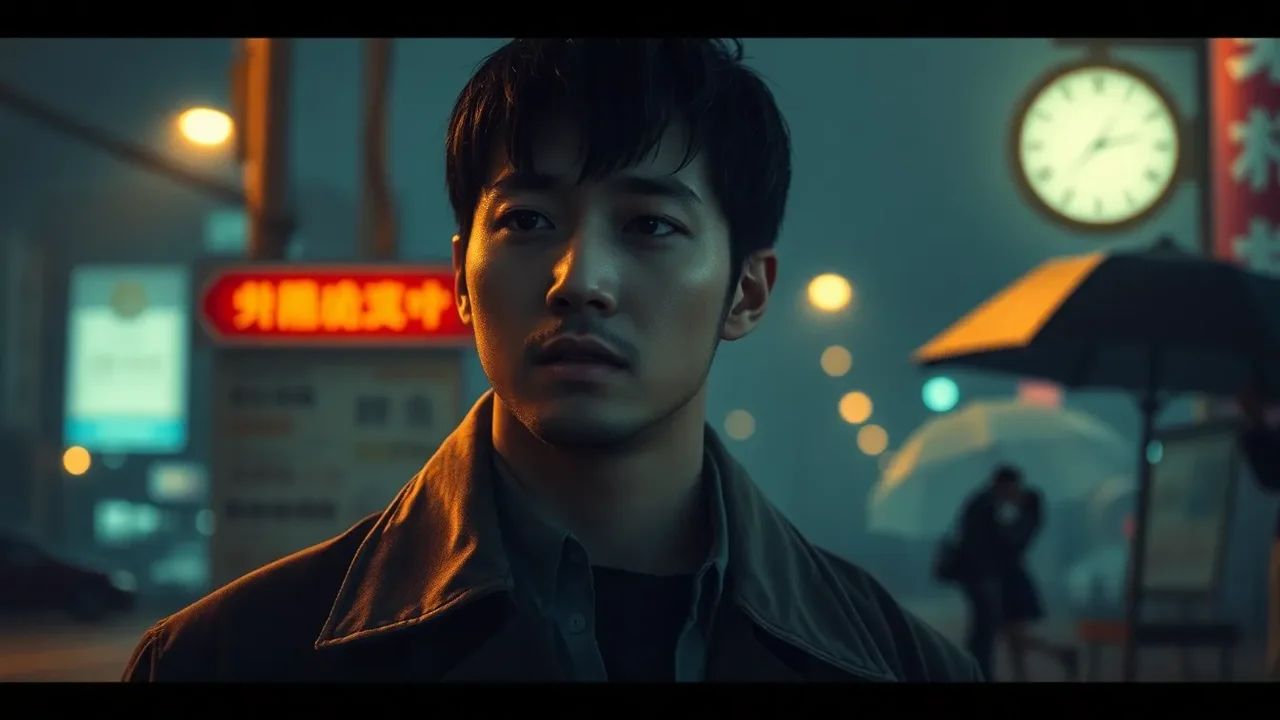
In the realm of Asian dramas, particularly Korean, Japanese, and Chinese series, the tragic hero stands as a compelling archetype that captivates audiences. These characters, marked by profound suffering and noble intentions, create an emotional resonance that transcends cultural boundaries. The tragic hero is defined by a fatal flaw, an error in judgment, or an unavoidable fate that leads to their downfall, yet they evoke our deepest empathy. Doramas masterfully weave these narratives, using the hero's pain to explore themes of love, sacrifice, and redemption. Unlike Western tragedies that often end in absolute despair, doramas frequently offer a glimmer of hope, making the suffering meaningful. This article delves into why we are drawn to these characters, examining psychological, cultural, and storytelling elements that make tragic heroes unforgettable.
Archetypal Traits of the Tragic Hero
Tragic heroes in doramas typically possess a set of core attributes. First, they are inherently good-hearted but flawed; their nobility is marred by a single weakness such as pride, obsessive love, or a misguided sense of duty. Second, they face insurmountable obstacles often stemming from social hierarchy, family feuds, or terminal illness. Third, their journey involves a cathartic realization—a moment of anagnorisis where they understand their error. Examples include Gu Jun-pyo from 'Boys Over Flowers', whose arrogance masks deep insecurity, or Kim Tan from 'The Heirs', burdened by his family's corruption. These characters undergo intense suffering—physical, emotional, or social—and their pain becomes a narrative tool to highlight human resilience. A table below summarizes common tragic hero types:
| Archetype | Fatal Flaw | Typical Suffering | Example Dorama |
|---|---|---|---|
| Self-Sacrificing Lover | Excessive devotion | Loss of loved one, illness | 'Uncontrollably Fond' |
| Rebel with a Cause | Pride / Stubbornness | Social ostracism, imprisonment | 'City Hunter' |
| Amnesiac Hero | Identity crisis | Memory loss, betrayal | 'My Love from the Star' |
| Doomed Royal | Sense of duty vs desire | Political persecution, cursed fate | 'Scarlet Heart Ryeo' |
The table illustrates how suffering is integral to their identity, making their eventual triumph or tragic end deeply moving.
Psychological Appeal: Why We Embrace Pain
Our love for tragic heroes stems from several psychological mechanisms. Empathy is the primary driver; we see our own vulnerabilities mirrored in their struggles. According to media psychology, humans are wired to feel distress when witnessing suffering, but narrative context transforms this into pleasurable catharsis. The tragic hero's journey activates our mirror neurons, allowing us to experience their emotions vicariously. Moreover, witnessing a character overcome immense hardship provides a sense of hope and moral clarity. We are drawn to the idea that suffering can be meaningful—that pain serves a purpose. This is especially potent in doramas, where love often endures despite devastating circumstances. For instance, in 'Moon Lovers: Scarlet Heart Ryeo', the heroine's tragic fate evokes tears but also admiration for her relentless spirit. The complexity of tragic heroes also satisfies our need for moral ambiguity; they are neither purely good nor evil, making them more relatable than perfect protagonists.
Cultural Context of Suffering in Asian Doramas
In East Asian cultures, suffering is often viewed through a philosophical lens shaped by Confucianism, Buddhism, and Taoism. Concepts like 'han' in Korea—a collective feeling of sorrow and unresolved resentment—resonate deeply. Doramas frequently portray suffering as a path to spiritual growth or karmic balance. The tragic hero's sacrifice aligns with Confucian ideals of filial piety and selflessness, while Buddhist themes of impermanence and attachment underscore their plight. For example, in 'The Smile Has Left Your Eyes', the hero's traumatic past leads to a tragic end, echoing the belief that actions have consequences. This cultural framework makes the tragic hero not just an entertainment figure but a vehicle for exploring existential questions. The audience is invited to reflect on their own lives, finding comfort in shared human experiences of loss and longing. Thus, the suffering in doramas is not gratuitous; it is deeply symbolic, reinforcing values like endurance, loyalty, and the redemptive power of love.
Structural Elements: How Doramas Craft Tragic Heroes
Doramas employ specific narrative techniques to maximize emotional impact. Flashbacks are frequently used to reveal the hero's past trauma, building empathy early. Slow-motion scenes, poignant soundtracks, and close-up shots of tearful eyes intensify the sense of tragedy. The use of melodramatic tropes—such as terminal illness, amnesia, or noble sacrifice—is deliberate, as these create high-stakes scenarios that test the hero's character. A key technique is the 'love triangle', which forces the hero to make painful choices, often resulting in heartbreak. Another is the 'time jump', which showcases the hero's enduring suffering over years. Practical analysis of popular doramas reveals consistent patterns. For instance, 'Goblin' features a cursed immortal hero who longs for death, while 'Crash Landing on You' portrays a North Korean soldier torn between love and duty. These stories succeed because they balance suffering with moments of joy—the highs make the lows more devastating. Below is a list of common plot devices used to evoke tragic heroism:
- Noble Sacrifice: The hero gives up their happiness for a loved one's wellbeing, as seen in 'The King's Affection'.
- Terminal Illness: A disease that leaves the hero counting days, creating urgency and sorrow (e.g., 'A Moment to Remember').
- Social Class Barrier: The hero's low status prevents them from achieving love or justice, as in 'My Mister'.
- Family Tragedy: The hero is orphaned, betrayed, or bears a dark family secret, fueling their inner conflict ('It's Okay to Not Be Okay').
- Revenge Plot: The hero is consumed by vengeance, which ultimately corrupts their soul ('The Penthouse').
These devices are not mere clichés; they are carefully crafted to highlight the hero's internal battle between hope and despair. The audience becomes emotionally invested, rooting for a happy ending despite knowing the odds.
Case Study: Jung Hae-in's Role in 'Something in the Rain'
To illustrate, we examine the character Seo Joon-hee from 'Something in the Rain'. As a younger man in love with his older sister's friend, he faces societal disapproval and family opposition. His tragic flaw is his impulsive honesty; he refuses to hide his feelings, which leads to conflict. His suffering includes ostracism from his family and the threat of losing his job. Yet, his unwavering love and vulnerability make him endearing. The drama uses long, silent takes to emphasize his emotional pain. This character resonates because his struggle mirrors real-life dilemmas about love and societal pressure. The tragic hero's journey here is not about a spectacular downfall but quiet endurance, making it deeply relatable.
The Cathartic Payoff: Why We Keep Watching
Despite the pain, viewers return to tragic hero stories because of the cathartic release. Aristotle defined catharsis as the purging of emotions through pity and fear. In doramas, this is achieved through a carefully paced climax where the hero either meets a tragic fate or finds a hard-won redemption. The emotional investment pays off when we cry, laugh, and heal alongside the character. Moreover, tragic heroes teach us about empathy and resilience. They remind us that suffering is part of the human condition and that love can transcend even death. The popularity of tragic heroes in doramas also reflects a cultural preference for emotional depth over superficial happiness. Shows like 'My Mister' and 'Lost' are celebrated precisely because they refuse to shy away from pain. In a world that often glorifies perfection, tragic heroes offer a refreshing, raw honesty. They allow us to process our own grief and anxieties in a safe, fictional space.
Comparison of Western vs. Eastern Tragic Heroes
While both Western and Eastern tragic heroes share Aristotelian elements, doramas often infuse tragedy with hope or spiritual lessons. For example, Shakespeare's Hamlet ends in near-total despair, whereas a dorama like 'Hotel del Luna' concludes with reincarnation and redemption. This difference stems from philosophical and religious backgrounds: Eastern narratives often embrace cyclical time and karmic justice. The tragic hero's suffering is not pointless; it paves the way for future happiness or enlightenment. This practical distinction influences audience satisfaction—Western tragedy may leave viewers in awe, while Eastern tragic hero stories often leave them with a bittersweet but hopeful feeling. The table below contrasts key aspects:
| Aspect | Western Tragedy | Eastern Dorama Tragedy |
|---|---|---|
| Ending | Often fatalistic, bleak | Bittersweet with hope |
| Hero's flaw | Hubris, moral blindness | Excessive love, duty |
| Role of fate | Inevitable downfall | Karmic balance, second chances |
| Audience emotion | Pity and terror | Compassion and uplift |
This contrast explains why dorama tragic heroes feel uniquely comforting—they suffer, but their pain is never wasted.
Practical Tips for Writers Creating Tragic Heroes
For aspiring screenwriters, crafting a compelling tragic hero requires balance. First, establish the hero's normal world to create contrast when suffering begins. Second, ensure the flaw is understandable—not purely selfish, but rooted in a noble intention. Third, use supporting characters to highlight the hero's goodness; for example, a loyal friend who believes in them. Fourth, pace the suffering—show both external obstacles and internal turmoil. Fifth, provide moments of respite (comedy or romance) to prevent melodrama overload. Finally, decide on the ending: tragic sacrifice or redemptive survival? Each choice affects the thematic message. Studying successful doramas like 'Reply 1988' (which uses everyday tragedies) or 'Mr. Sunshine' (epic historical tragedy) can offer insights. Remember, the goal is not to make the audience miserable, but to make them feel deeply. The tragic hero should be someone we love, not just pity.
FAQ - The Tragic Hero in Doramas: Why We Love Characters Who Suffer
What defines a tragic hero in doramas?
A tragic hero in doramas is a central character who possesses noble qualities but is flawed by a trait such as excessive love, pride, or a sense of duty. They face intense suffering due to external circumstances or their own mistakes, ultimately leading to a downfall or a transformative sacrifice. Their journey evokes pity and fear in the audience, yet often ends with a bittersweet hope, differing from Western tragedy.
Why are tragic heroes so popular in Asian dramas?
Tragic heroes resonate with audiences because they reflect universal human struggles and cultural values like endurance, filial piety, and the redemptive power of love. In East Asian contexts, suffering is often seen as a path to spiritual growth or karmic balance. The emotional depth and moral complexity of these characters provide catharsis, allowing viewers to process their own grief in a safe narrative space.
How do doramas make us empathize with a suffering hero?
Doramas use techniques like flashbacks, poignant music, close-up shots, and slow-motion to amplify emotional moments. They also present the hero's backstory early, revealing trauma or noble intentions. By showing the hero's kindness and vulnerability through interactions with supporting characters, the audience forms a deep bond, making the suffering feel personal and meaningful.
Can tragic heroes in doramas have happy endings?
Yes, but these endings are often bittersweet rather than purely happy. The hero may survive but lose something precious, or find love after immense sacrifice. Unlike Western tragedies that frequently end in death or despair, many doramas offer a glimmer of hope—such as reincarnation, redemption, or a new beginning—reflecting philosophical beliefs in cyclical fate and the possibility of future happiness.
What are common examples of tragic heroes in Korean dramas?
Notable examples include Kim Shin (Goblin) cursed with immortality; Do Min-joon (My Love from the Star) an alien torn between love and returning home; and Gu Jun-pyo (Boys Over Flowers) whose pride hides a lonely heart. Other examples are Kim Tan (The Heirs), Hong Seol (Cheese in the Trap), and Yoon Seri (Crash Landing on You) who faces political and personal risks.
How can writers create a believable tragic hero?
Writers should balance the hero's flaw with relatable goodness, ensure suffering arises from both internal and external conflicts, and pace the story with moments of levity. The hero's pain should serve a narrative purpose—teaching a lesson or leading to growth. Studying real human emotions and cultural context is key. Use supporting characters to reflect the hero's impact, and decide on a thematic message that justifies the tragedy.
Tragic heroes in doramas captivate audiences through their noble flaws and profound suffering, evoking empathy and catharsis. Rooted in East Asian philosophies of karmic balance and spiritual growth, these characters transform pain into meaningful storytelling. Their bittersweet journeys—marked by sacrifice, love, and resilience—offer hope and emotional depth, making them enduringly popular in Korean, Japanese, and Chinese dramas.
The tragic hero in doramas captivates us because suffering, when framed within a story of love and sacrifice, becomes a mirror for our own lives. These characters remind us that pain is not the end but a profound part of the human journey. Through their tears, we find catharsis; through their flaws, we see our own. Ultimately, our love for tragic heroes is a testament to our desire for meaning—a belief that even in the darkest moments, there is beauty, resilience, and the possibility of redemption. Doramas will continue to craft these unforgettable souls, inviting us to feel, reflect, and heal.