The Allure of the Flawed Protagonist
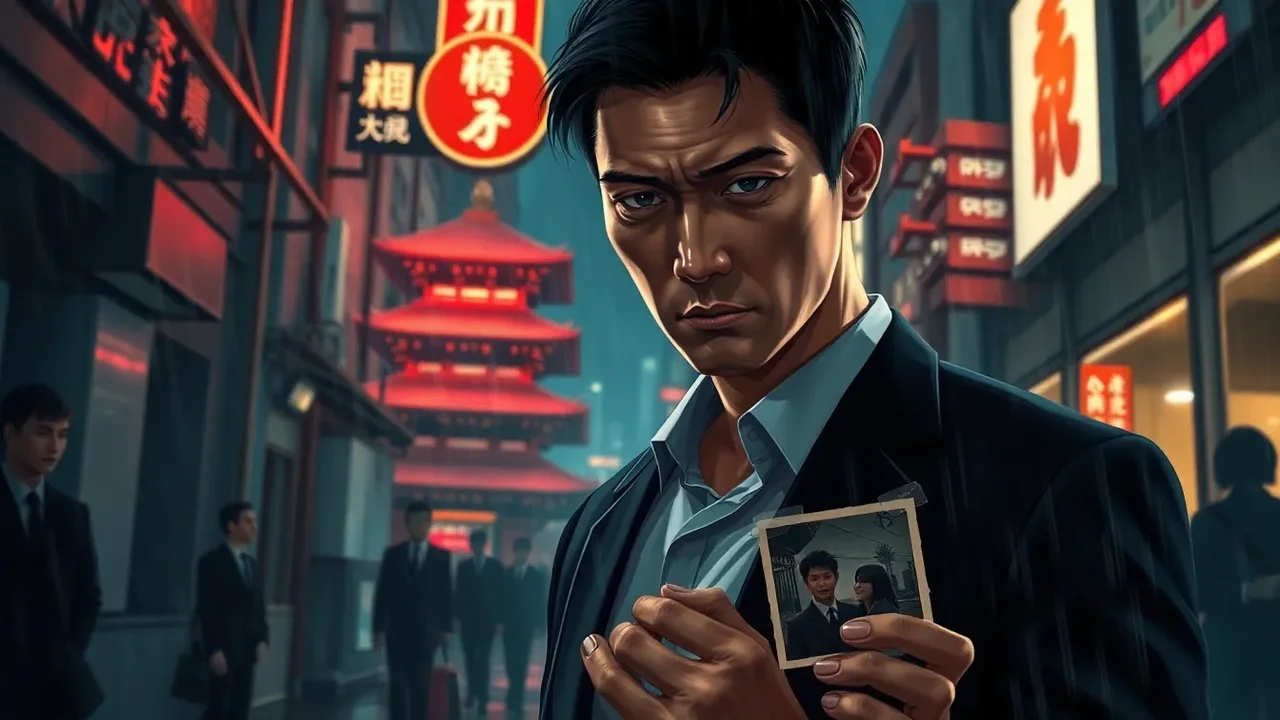
The anti-hero in a dorama novel is a figure of profound contradiction, a character who operates outside conventional morality yet commands the audience's unwavering attention. Unlike the traditional hero who embodies virtue, the anti-hero is defined by their flaws, selfishness, and often ruthless methods. This complexity is what makes them so compelling. They are not simply villains; they are protagonists who force viewers to question their own ethical boundaries. The central appeal lies in the psychological depth these characters offer. They are often driven by a traumatic past, a deep-seated sense of injustice, or a pragmatic worldview that prioritizes survival over idealism. For instance, in a dorama like Hanzawa Naoki, the protagonist operates within a corrupt banking system, using cunning and manipulation to achieve his goals. He is not a saint; he is a man seeking revenge for his father's death, and his methods are morally ambiguous. This creates a tension that keeps the audience engaged, as we are torn between rooting for his success and questioning his tactics.
The Architecture of a Compelling Anti-Hero
The construction of a memorable anti-hero in a dorama novel relies on several key pillars. First is motivation. The anti-hero's actions, however questionable, must stem from a relatable or understandable source. It could be a quest for justice in an unjust world, a desire to protect a loved one, or a need to reclaim a lost sense of self. This motivation humanizes them. Second is charisma. The character must possess a magnetic quality that draws others—and the audience—in. This could be through sharp wit, unshakeable confidence, or a mysterious aura. Third is vulnerability. The most powerful anti-heroes have a chink in their armor. A hidden kindness, a past trauma, or a secret fear makes them three-dimensional. For example, in the dorama My Mister, the male lead is a cold, debt-ridden man, but his quiet compassion for a struggling younger woman reveals his hidden depth. Fourth is transformation. The anti-hero's journey often involves a gradual shift, either towards redemption or further into darkness. This evolution is the narrative engine that drives the story.
| Key Trait | Description | Example in Dorama |
|---|---|---|
| Moral Ambiguity | Actions that blur the line between right and wrong. | A prosecutor who plants evidence to convict a guilty criminal. |
| Complex Motivation | A driving force that is both selfish and sympathetic. | A doctor who breaks hospital rules to save a child from a corrupt system. |
| Charismatic Flaws | Flaws that make the character intriguing, not repulsive. | A genius hacker who is socially inept and arrogant. |
| Hidden Vulnerability | A secret pain that humanizes the character. | A ruthless CEO who secretly volunteers at an animal shelter. |
The Role of the Antagonist and Society
The anti-hero does not exist in a vacuum. Their compelling nature is often amplified by the world they inhabit. In many dorama novels, the society itself is the true antagonist—a corrupt, hypocritical, or unforgiving system. The anti-hero becomes a necessary evil, a force that pushes back against a greater wrong. This is a recurring theme in Japanese dorama, where societal pressure, corporate hierarchy, and rigid traditions are often critiqued. The anti-hero, therefore, becomes a symbol of rebellion. For instance, in Legal High, the protagonist is a mercenary lawyer who will win at any cost. He is greedy, arrogant, and unethical. Yet, he often takes on cases that expose the hypocrisy of the legal system and the self-righteousness of his opponents. The audience is drawn to him because he speaks uncomfortable truths and dismantles the pretenses of society. He is not a hero in the traditional sense, but he is a necessary counterweight to a flawed world.
The Psychological Pull: Why We Root for the Unworthy
The psychological mechanism behind our fascination with the anti-hero is rooted in a concept known as moral disengagement. When a character operates outside the law or social norms, we as viewers temporarily suspend our own moral judgments to enjoy their transgressive freedom. We live vicariously through their actions. This is particularly potent in dorama novels, which often explore themes of giri (duty) and ninjo (human feeling). The anti-hero is often a character who struggles to balance these two forces. They may be bound by duty to their family or company but are driven by personal desires that conflict with that duty. This internal conflict is deeply relatable. Furthermore, the anti-hero's journey often serves as a catharsis for the audience's own frustrations. When we see a character like the protagonist in Unnatural—a forensic pathologist who bends rules to uncover the truth about suspicious deaths—we feel a sense of justice being served, even if the methods are unorthodox. The anti-hero allows us to explore the darker aspects of human nature in a safe, fictional space.
- Relatability through Flaw: Audiences connect with characters who are imperfect, as it mirrors the human experience.
- Wish Fulfillment: The anti-hero often does what we wish we could do but are restrained by social norms.
- Moral Complexity: They challenge the viewer to think critically about ethics and justice.
- Narrative Tension: The unpredictability of an anti-hero's choices keeps the story engaging.
Practical Tropes and Archetypes
Dorama novels frequently employ specific archetypes to craft their anti-heroes. The Byronic Hero is a common template: brooding, intelligent, and haunted by a dark past. Think of the cold-hearted CEO in a romance dorama who is secretly nursing a broken heart. Another is the Anti-Hero as Avenger, who seeks retribution for a personal wrong, often using morally ambiguous methods. This is seen in thrillers like Signal, where a detective uses a time-traveling walkie-talkie to solve cold cases, but his interference has unintended consequences. The Reluctant Anti-Hero is also popular—a character who is forced into a role they do not want, such as a former yakuza member trying to live a quiet life but being pulled back into violence. These tropes are effective because they provide a familiar framework while allowing for unique character development. The key is that the anti-hero must evolve. A static anti-hero risks becoming a one-dimensional villain. The best dorama novels show the character learning, failing, and occasionally succeeding, which creates a dynamic and emotionally resonant story.
The Impact of Cultural Context
The Japanese cultural context significantly shapes the portrayal of anti-heroes in dorama novels. Concepts like tatemae (public facade) and honne (true feelings) are central. The anti-hero is often a character who breaks through the tatemae of society to reveal the honne, the raw truth. This makes them both dangerous and refreshing. For example, a salaryman who finally snaps and defies his oppressive boss becomes an anti-hero who represents the repressed desires of many viewers. Additionally, the influence of jidaigeki (period dramas) and samurai ethics adds layers. The ronin (masterless samurai) archetype is a classic anti-hero—a skilled warrior without a lord, often operating by his own code. Modern dorama adapt this into characters like a disgraced detective or a lone doctor. The anti-hero's journey in a dorama novel is often a reflection of the struggle between individualism and collectivism in Japanese society. They are the outliers who challenge the group mentality, and their stories resonate because they highlight the tension between personal desire and societal expectation.
Why They Endure in Popular Culture
The enduring appeal of the anti-hero in dorama novels can be attributed to their ability to evolve with the times. In the 1990s, anti-heroes were often portrayed as cynical loners. Today, they are more nuanced, often showing vulnerability and a capacity for change. The rise of streaming platforms has also allowed for more complex storytelling, where anti-heroes can be explored over multiple seasons. Furthermore, the anti-hero serves as a mirror to society's own moral crises. In an era of fake news and political polarization, characters who navigate gray areas feel more realistic than clear-cut heroes. They remind us that morality is not binary. The anti-hero in a dorama novel is not just a character; they are a narrative device that forces us to confront our own values. They are the characters we love to hate and hate to love, and that emotional conflict is what makes them unforgettable.
FAQ - What Makes a Dorama Novel's Anti-Hero So Compelling?
What is the main difference between a hero and an anti-hero in a dorama novel?
A traditional hero typically embodies virtues like selflessness, courage, and adherence to moral codes. An anti-hero, however, operates with moral ambiguity, often using selfish, unethical, or ruthless methods to achieve their goals. They are defined by their flaws and complexity, making them more relatable and realistic to modern audiences.
Why do audiences find anti-heroes so appealing in Japanese dorama?
Audiences are drawn to anti-heroes because they challenge societal norms and offer a form of wish fulfillment. In a culture that emphasizes collectivism and conformity, the anti-hero represents rebellion and individuality. Their internal conflicts and moral struggles also provide catharsis, allowing viewers to explore darker emotions in a safe context.
Can an anti-hero in a dorama novel ever become a true hero?
Yes, many dorama novels feature a redemption arc where the anti-hero gradually adopts more heroic traits. However, the most compelling stories often maintain a balance, where the character never fully loses their edge. The transformation is usually partial, keeping the character interesting and morally complex.
What are some common traits of a dorama anti-hero?
Common traits include a traumatic backstory, a strong sense of personal justice, charisma, intelligence, and a willingness to break rules. They often possess a hidden vulnerability or a code of honor that makes them sympathetic, even when their actions are questionable.
How does Japanese culture influence the portrayal of anti-heroes in dorama?
Japanese cultural concepts like 'tatemae' (public facade) and 'honne' (true feelings) are central. The anti-hero often breaks through societal hypocrisy to reveal hidden truths. Additionally, archetypes like the 'ronin' (masterless samurai) influence modern anti-heroes, who operate outside traditional structures.
Are anti-heroes more common in certain genres of dorama novels?
Yes, anti-heroes are particularly prevalent in crime thrillers, legal dramas, and psychological mysteries. Genres like 'suspense' and 'human drama' also feature them heavily, as these stories allow for deep exploration of moral dilemmas and character flaws.
The anti-hero in a dorama novel is compelling due to their moral complexity, relatable flaws, and psychological depth. They challenge societal norms, offer wish fulfillment, and evolve through internal conflict. Rooted in Japanese cultural themes like 'tatemae' vs. 'honne', these characters blur the line between good and evil, making them unforgettable.
In summary, the anti-hero in a dorama novel is a masterfully crafted character who thrives on contradiction. They are neither wholly good nor entirely evil, but a complex blend of motives, flaws, and moments of grace. Their compelling nature stems from their ability to reflect the gray areas of real life, challenging viewers to question their own moral compass. Through their struggles, we see a part of ourselves—the desire to break free from constraints, the temptation to take shortcuts, and the hope for redemption. The anti-hero endures because they are not just characters; they are mirrors held up to society, revealing the uncomfortable truths we often avoid. In a world that demands simple answers, the anti-hero reminds us that the most interesting stories live in the shadows.
