Historical Authenticity and World-Building
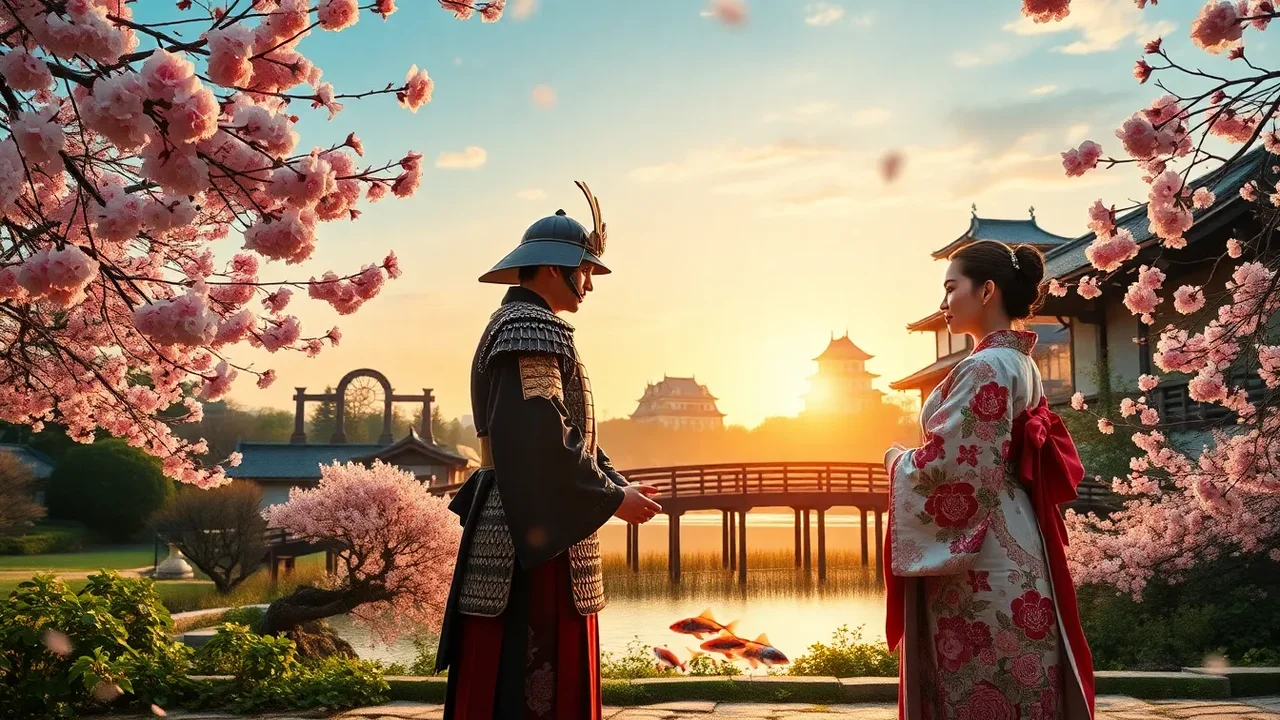
The success of a historical dorama novel romance hinges on its ability to transport readers to a meticulously crafted past. The setting is not merely a backdrop but an active participant in the story. Authenticity comes from accurate depictions of clothing, architecture, social hierarchies, and political climates of the chosen era, such as the Heian period with its courtly intrigues or the Sengoku era with its constant warfare. For example, a romance between a samurai and a merchant’s daughter gains depth when the class restrictions of Edo-period Japan are woven into every interaction. Readers are drawn to the sensory details: the rustle of silk kimonos, the scent of incense in a noble’s chamber, the sound of wooden geta on cobblestone streets. This immersion creates a visceral experience that makes the romance feel both exotic and credible. Practical information for writers includes studying period maps, reading primary sources like diaries or chronicles, and consulting experts on historical etiquette. Without solid world-building, the romance lacks grounding; with it, the story becomes a window into another time.
Cultural Nuances
Cultural nuance elevates a historical dorama romance from mere costume drama to a meaningful exploration of human connection across time. Understanding the role of omotenashi (hospitality), giri (obligation), and ninjo (human emotion) is crucial. For instance, a scene where the heroine prepares tea for the hero might seem simple, but when depicted with the precise steps of a chado ceremony, it becomes a metaphor for their restrained affection. Similarly, the concept of honne (true feelings) versus tatemae (public facade) adds layers to dialogue: what characters say versus what they mean creates tension and intimacy. Examples from popular works show how a glance exchanged during a festival, the careful folding of a letter, or the ritual exchange of fans can convey volumes. Practical tips: include seasonal references (sakura for new beginnings, autumn leaves for change) and incorporate regional dialects or historical language registers. These details not only educate but also deepen the emotional resonance.
Character Archetypes and Growth
Character archetypes in historical dorama romance are rooted in traditional roles, yet the best stories subvert or evolve them. The hero is often a stoic warrior burdened by duty, while the heroine may be a spirited court lady or a commoner with hidden strength. Their journey is one of mutual transformation: he learns to soften, she discovers resilience. For example, in a story set during the Meiji Restoration, a progressive-minded journalist (heroine) clashes with a conservative samurai (hero). Through their forced collaboration, they challenge each other’s worldviews, and their romance grows from ideological conflict to deep respect. The key is to give each character a clear arc that intersects with the historical moment. The constraints of the era—arranged marriages, rigid class systems, war—provide natural obstacles that force character growth. A list of effective archetypal pairings includes:
- Samurai and foreigner (culture clash)
- Ninja and noble (secrecy and trust)
- Geisha and merchant (art versus commerce)
- Priestess and warlord (spiritual versus temporal power)
Each pairing brings unique tensions that fuel the romance. Practical advice: avoid stereotypes by researching the real diversity within historical roles—e.g., female samurai (onna-bugeisha) or progressive courtesans with agency.
Plot Structure and Pacing
Plot structure in historical dorama romance often mirrors the rhythm of the era—slow, ceremonial, but punctuated by sudden violence or political upheaval. Pacing must balance intimate character moments with larger historical events. A common device is the “seasonal clock”: the romance develops alongside the changing seasons, from spring’s hope to winter’s closure. Episodic storytelling works well, where each chapter or episode focuses on a key event (a festival, a battle, a diplomatic meeting) that advances the relationship. A table comparing different structural approaches can clarify what works best:
| Structure Type | Characteristics | Example Series | Advantage for Romance |
|---|---|---|---|
| Linear Chronicle | Follows one couple over years; major time jumps | Rurouni Kenshin (manga/anime) | Allows deep character evolution and historical sweep |
| Episodic Arc | Each episode a mini-crisis; romance parallel | Ōoku: The Inner Chambers | Keeps tension high; romance slowly revealed |
| Dual Timeline | Past and present intertwine | Yoshitsune and Benkei adaptations | Creates dramatic irony and emotional payoff |
The best pacing avoids melodrama by using historical catalysts—a failed harvest, a shogun’s decree—to force the couple together or apart. Practical tip: outline major historical events first, then slot romantic beats where they organically fit.
Emotional Depth and Forbidden Love
Forbidden love is the engine of historical dorama romance. Social, political, and familial barriers provide inherent stakes. The emotional depth comes from the immense cost of love: reputation, safety, even life. For instance, a romance between a court lady and a foreign ambassador in Tokugawa-era Japan—both isolated, both risking exile—creates palpable longing. The author must depict the characters’ internal conflict: adherence to duty versus personal desire. Scenes of stolen moments—a touch under a sleeve, a whispered word in a temple—are heightened by the ever-present danger. Practical methods to build emotional depth include: using internal monologue to show sacrifice, employing symbolism (caged birds, cherry blossoms falling), and leveraging the historical context (e.g., the heroine knows she will be sent to a political marriage). Readers connect because they see universal yearning filtered through a specific, harsh reality.
Integration of Historical Events
Seamless integration of real historical events distinguishes memorable works from forgettable ones. Events like the Battle of Sekigahara, the fall of the Heike clan, or the opening of Japan to the West can serve as backdrops, catalysts, or direct obstacles to the romance. For example, in a story set during the Shimabara Rebellion, a Christian peasant woman and a magistrate’s son are torn apart by religious persecution. Their love story becomes a microcosm of the larger tragedy. The key is to avoid info-dumping: historical exposition should emerge through character action and dialogue. A list of integration techniques includes:
- Using diary entries or letters to convey political news.
- Showing characters reacting to a decree or battle outcome.
- Placing the romantic climax against a real historical turning point.
Practical advice: choose a period with inherent romantic possibilities—such as the turbulent Bakumatsu era—and research lesser-known events that offer fresh angles.
Practical Tips for Writers
For writers aiming to create a successful historical dorama novel romance, here are actionable steps: 1) Deep research: read historical accounts, visit museums, watch films and doramas for visual cues. 2) Create a character bible that includes each character’s rank, income, education, and daily routine to maintain consistency. 3) Use language sparingly: employ a few authentic terms (e.g., daimyo, ronin, omiai) but explain them naturally in context. 4) Balance romance and history: the love story should never be overshadowed by historical lectures; let passion drive the plot, but let history inform the obstacles. 5) Beta-readers with historical knowledge are invaluable to catch anachronisms. By following these guidelines, writers can craft a romance that feels both timeless and rooted in the past.
FAQ - Why This Historical Dorama Novel Romance Works
What makes historical dorama romance different from other historical romance genres?
Historical dorama romance is distinct because it is deeply rooted in Japanese cultural specifics—such as courtly etiquette, samurai codes, and seasonal aesthetics—while often incorporating real historical events and figures. The storytelling pace is often slower and more atmospheric, emphasizing internal conflict and societal constraints over action or steamy scenes.
How important is historical accuracy in these stories?
High accuracy is crucial for immersion. Readers familiar with Japanese history will spot anachronisms quickly. However, minor creative liberties are acceptable if they serve the emotional narrative. The best works use accurate details as a foundation to build believable romantic tension and character motivation.
Can modern readers relate to characters bound by strict social hierarchies?
Yes, because the underlying emotions—love, duty, sacrifice—are universal. The harsh constraints of historical Japanese society (class divisions, arranged marriages, duty to clan) amplify these feelings, making the romance more poignant. Modern readers enjoy the escapism and the satisfaction of watching love triumph over rigid systems.
What are common pitfalls in writing historical dorama romance?
Common pitfalls include overloading dialogue with historical exposition, using anachronistic language or attitudes, stereotyping characters (e.g., all samurai are stoic, all geisha are romantic), and neglecting the historical context's impact on the romance. Balancing research with storytelling is essential.
How do authors balance romance with historical events?
Authors typically weave the romance into the fabric of history by making the couple's fate directly tied to real events. For example, a romance might develop during the repair of a temple after a war, or a character's secret mission affects both the political outcome and their relationship. The key is to keep the romance driving the narrative, while history provides obstacles and stakes.
What role do secondary characters play in this genre?
Secondary characters often embody the societal norms or act as foils to the main couple. A wise servant, a strict father, a jealous rival—they all enforce the rules of the era and create opportunities for the main characters to rebel or compromise. They also provide historical context through their own stories.
Historical dorama novel romance works by merging authentic Japanese cultural details, forbidden love, and real historical events. The genre immerses readers through meticulous world-building, character growth under rigid social constraints, and emotionally resonant plots that balance passion with period accuracy, creating a timeless appeal.
In summary, the enduring appeal of historical dorama novel romance lies in its masterful blend of authentic world-building, deeply flawed yet relatable characters, and love stories that feel earned through the crucible of history. The genre works because it respects both the past and the human heart, offering readers a journey into a time where every glance, every letter, every forbidden touch carries the weight of an entire era. By adhering to cultural truth while prioritizing emotional truth, these stories create a romantic experience that is both educational and unforgettable.