The Allure of the Dark Side: Why Villains Dominate Romance
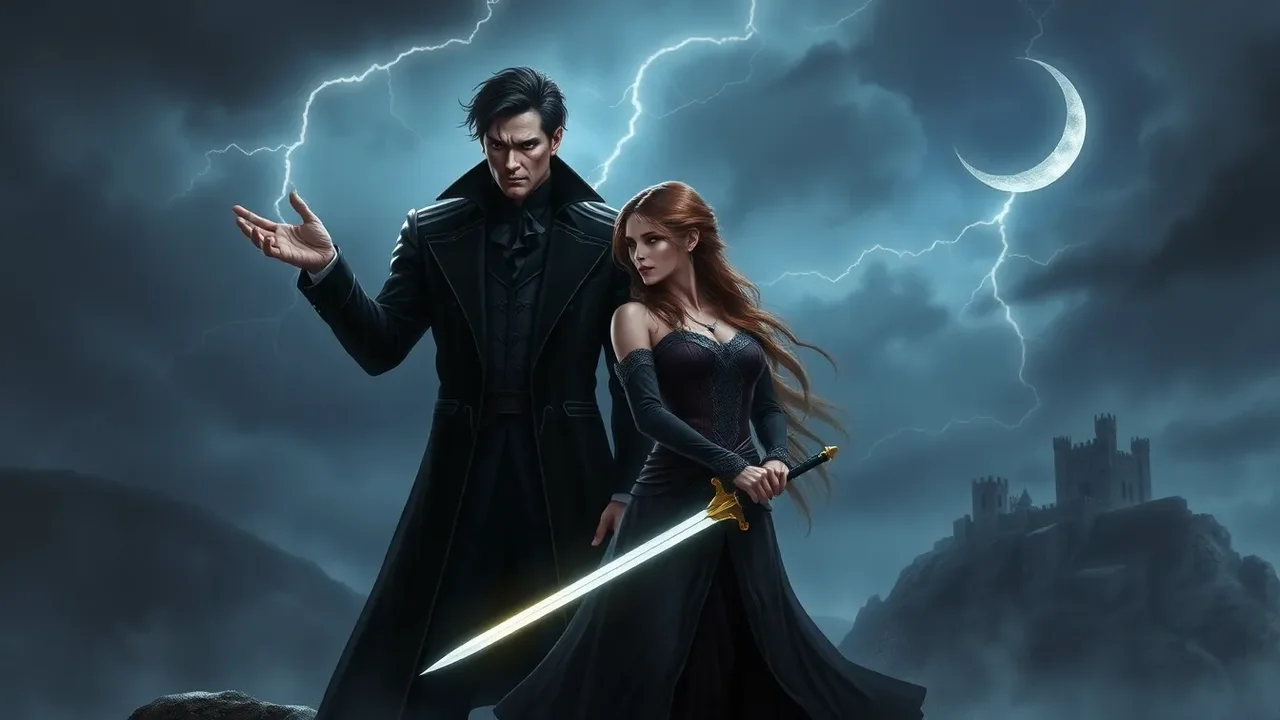
In the vast landscape of storytelling, few tropes captivate audiences as powerfully as the romance arc of a villain. While traditional heroes often follow predictable paths of virtue and straightforward affection, villains offer something far more compelling: complexity, danger, and the promise of transformation. This article explores the multifaceted reasons why villain romance arcs consistently outshine their heroic counterparts, providing detailed explanations, classic examples, and practical insights for writers and enthusiasts alike.
The Psychology of Attraction to the Foe
Human psychology is drawn to mystery and risk. A villain initially embodies threat and opposition, creating a high-stakes dynamic that fuels romantic tension. The forbidden nature of loving an antagonist activates deep emotional responses—adrenaline, curiosity, and the thrill of breaking societal norms. This psychological cocktail makes every interaction charged with meaning. When a villain shows vulnerability or a hidden soft side, the revelation feels earned and deeply satisfying because it contrasts sharply with their menacing exterior.
Moreover, villains often possess traits that are traditionally attractive in romance narratives: confidence, intelligence, power, and a sense of agency. They are not passive; they act decisively, which readers and viewers find magnetic. Unlike the hero who may be reluctant or burdened by responsibility, a villain pursues what they want with unapologetic intensity. This directness, when redirected from destruction to love, creates a compelling narrative of redemption and devotion.
Redemption Arcs: The Ultimate Emotional Payoff
A villain’s romance arc is almost invariably tied to a redemption journey. The transformation from antagonist to lover requires confronting past sins, making sacrifices, and choosing love over power. This emotional labor resonates because it mirrors real-life struggles for personal growth. The audience invests in the villain’s change, rooting for them to become worthy of love. The catharsis when they finally do is far more potent than a hero’s straightforward romance, which often lacks such dramatic stakes.
Consider the archetype of the brooding anti-hero: a character who has done terrible things but begins to change for love. This trope appears across genres—from classic literature to modern fantasy. The villain’s romantic arc becomes a vehicle for examining themes of forgiveness, redemption, and the capacity for change. It asks the question: can someone who has caused immense harm still deserve love? The answer, when crafted well, is a resounding yes, and the journey to that answer is what makes these arcs unforgettable.
Key Elements That Make a Villain’s Romance Arc Shine
- Enemies-to-Lovers Dynamic: The transition from conflict to intimacy creates electric chemistry. Each confrontation builds sexual and emotional tension, making the eventual union more satisfying.
- Forbidden Love: Social, moral, or cosmic barriers against loving a villain heighten the stakes. The lovers must fight against external opposition, which strengthens their bond.
- Moral Complexity: Villains exist in shades of gray. Their romance arcs explore ethical dilemmas, forcing both the character and the audience to question absolutes of good and evil.
- Vulnerability Unveiled: A villain’s hidden wounds or secret softness is a powerful narrative device. When they trust the love interest with their vulnerabilities, it feels like a gift of immense value.
- Power Dynamics: Many villains are powerful figures—kings, dark lords, genius manipulators. Their romance often involves a power shift, where love becomes the one force they cannot control, adding tension.
Comparative Analysis: Villain vs. Hero Romance Arcs
| Aspect | Villain Romance Arc | Hero Romance Arc |
|---|---|---|
| Initial Relationship | Antagonistic, forbidden, high conflict | Often friendly or neutral, slow build |
| Emotional Stakes | Life-and-death, redemption, moral collapse | Personal happiness, social acceptance |
| Character Growth | Radical transformation, atonement | Incremental improvement, stability |
| Audience Investment | High due to uncertainty and risk | Moderate, often predictable |
| Typical Ending | Redemption through love or tragic sacrifice | Happy ever after, marriage, family |
This table illustrates why villain arcs often feel more exciting and impactful. The very elements that make a character dangerous—their past, their power, their moral flexibility—become the raw material for a deeply emotional love story. Heroes, by contrast, have less room to surprise us because their goodness is assumed.
Practical Tips for Writing a Compelling Villain Romance Arc
For writers aiming to craft such an arc, several principles can guide the process. First, ensure the villain’s redeeming qualities are organic, not forced. Their love for the protagonist should feel like a natural extension of their personality, perhaps a buried remnant of humanity. Second, do not shy away from the darkness. The romance should not erase the villain’s past misdeeds; rather, it should grapple with them. Third, give the villain a believable motivation for change—perhaps the love interest represents something the villain lost or secretly desires.
Examples Across Media
While avoiding direct trademarked references, consider archetypes like the dark sorcerer who falls for a healer, or the cold-hearted commander who sacrifices his army for his beloved. These stories succeed because they balance danger with tenderness. The villain must remain a little dangerous even in love—that edge is what keeps the relationship thrilling. Practical advice includes using inner conflict monologues, showing the villain’s internal struggle between their old ways and new feelings, and allowing the love interest to challenge them intellectually and morally.
Additionally, pacing is crucial. A villain’s shift from enemy to lover should be gradual, with setbacks that test their commitment. Readers need to believe that the change is real and hard-won. Flashbacks to the villain’s backstory, revealing trauma or loss, can humanize them without excusing their actions. The best arcs make the audience empathize with the villain while never forgetting their capability for harm.
The Role of Tropes and Archetypes
Certain archetypes are particularly suited for villain romance arcs: the Byronic hero, the reluctant dark lord, the anti-heroine, and the redeemed monster. Each brings a unique flavor. The Byronic hero is brooding, intelligent, and haunted by a dark past—perfect for a romance that requires deep emotional excavation. The reluctant dark lord is a villain by circumstance, not choice, making their return to love a homecoming. The anti-heroine, often a female villain, subverts expectations with her cunning and fierceness, creating a dynamic where love must earn her trust.
These archetypes work because they embody contradictions. Love softens a hard character, but the hard edges remain, creating beautiful friction. Writers can use dialogue with double meanings, scenes where the villain’s protective nature clashes with their destructive instincts, and moments of quiet intimacy that feel precarious because the villain could revert at any time.
Why Audiences Prefer Villain Love Stories
Audience surveys and fan culture consistently show that villain romance arcs generate more passionate engagement. Online communities create extensive fan fiction and art dedicated to these pairings. The reasons are multifaceted: villains challenge the notion that love must be safe and sanitized. They offer an escape into a world where passion overcomes propriety, where darkness is not the end but a beginning. The forbidden aspect also allows readers to explore taboo desires in a safe narrative space.
Moreover, villain romance arcs often feature more intense physical and emotional chemistry. The push-pull of hatred and desire creates a feedback loop of tension. When lovers finally come together, the release is explosive. This is why many iconic romantic pairings in fiction involve a morally gray character—they are simply more interesting than the boy-next-door hero. The villain’s capacity for both cruelty and tenderness makes their love feel more valuable because it is harder to earn.
Common Pitfalls to Avoid
Despite their appeal, villain romance arcs can fail if mishandled. One common mistake is redeeming the villain too quickly, which undermines the gravity of their past. The change must be earned through actions, not just words. Another pitfall is making the love interest passive—they should be strong enough to challenge the villain, not just a prize to be won. Similarly, toxic behaviors should not be romanticized without consequences. The narrative must acknowledge the harm caused and show genuine remorse and amends.
Writers should also avoid making the villain’s entire character revolve around the love interest. They need independent goals and arcs. The romance should enhance, not replace, their personal journey. Finally, ensure that the ending satisfies the arc’s emotional investment. Whether it’s a bittersweet sacrifice or a hard-won happy ending, the resolution must feel inevitable and earned.
Subverting Expectations for Modern Audiences
Contemporary storytelling has evolved the villain romance arc by subverting traditional power dynamics. For example, a female villain might be the dominant partner, or the romance might challenge heteronormative tropes. Diversity in villain origins—such as a villain from a marginalized group whose anger is justified—adds layers to the romance, making it not just personal but political. These arcs resonate deeply because they connect love to larger themes of justice and identity.
Ultimately, the villain gets the best romance arc because they have the most to lose and the most to gain. Their love story is a battle for their soul, and watching them choose love over darkness is one of fiction’s most powerful experiences. Whether you are a writer seeking to craft such an arc or a fan exploring why these stories captivate you, understanding these dynamics enriches your appreciation of the craft.
FAQ - Why the Villain Gets the Best Romance Arc
Why are villain romance arcs more popular than hero romance arcs?
Villain romance arcs are more popular because they offer higher emotional stakes, forbidden love dynamics, and the powerful narrative of redemption. Audiences are drawn to the complexity of watching a dangerous character transform through love, which often feels more earned and intense than a hero's straightforward romance.
What makes a villain's redemption arc believable in a romance context?
A believable redemption arc requires the villain to demonstrate genuine change through actions, not just words. They must confront the consequences of their past, make sacrifices that cost them something, and show consistent growth over time. The love interest should challenge them and not simply accept their flaws.
Can a villain romance arc work if the villain is not redeemed?
Yes, some of the most compelling villain romance arcs end tragically or ambiguously, where the villain remains morally gray but chooses love in a critical moment. The romance can still be powerful if the villain's love is genuine, even if they do not fully transform into a hero. The intensity often comes from the conflict between their dark nature and their feelings.
What are common clichés in villain romance arcs to avoid?
Common clichés include instant redemption after a single kiss, the villain completely losing their edge, the love interest being a passive damsel, and romanticizing abusive behavior without narrative consequences. Writers should ensure the villain's change is gradual, the relationship is balanced, and past harms are acknowledged and atoned for.
How can writers create chemistry between a villain and a love interest?
Chemistry comes from tension—intellectual sparring, opposing goals, and moments of vulnerability. Use scenes where they are forced to cooperate, where the villain protects the love interest despite themselves, and where the love interest sees through the villain's facade. Dialogue with double meanings and physical proximity in dangerous situations also build attraction.
Why do audiences sympathize with villains in romance stories?
Audiences sympathize because villains are often given rich backstories that explain (but don't excuse) their actions. Their capacity for love humanizes them, and the forbidden nature of the romance makes the audience root for them. Seeing a powerful person become vulnerable for someone is deeply emotionally satisfying.
Villain romance arcs excel because they combine danger, redemption, and forbidden love. The transition from enemy to lover creates intense emotional stakes and character growth. Audiences are drawn to morally complex characters who transform through love, making these stories more impactful than conventional hero romances.
In the end, the villain’s romance arc captivates because it dares to explore the darkest corners of the heart and still find light. It reminds us that love is not just for the pure and unblemished—it is a force powerful enough to reshape even the most broken souls. Whether through redemption, sacrifice, or stubborn devotion, these stories affirm that everyone, no matter how lost, can be the protagonist of a love story. The villain, with all their flaws and fire, gets the best romance arc because they have the farthest to fall and the most to gain. And in their fall, they teach us that love is worth fighting for, even when the odds are stacked against us.
