The Underdog Appeal in Itaewon Class
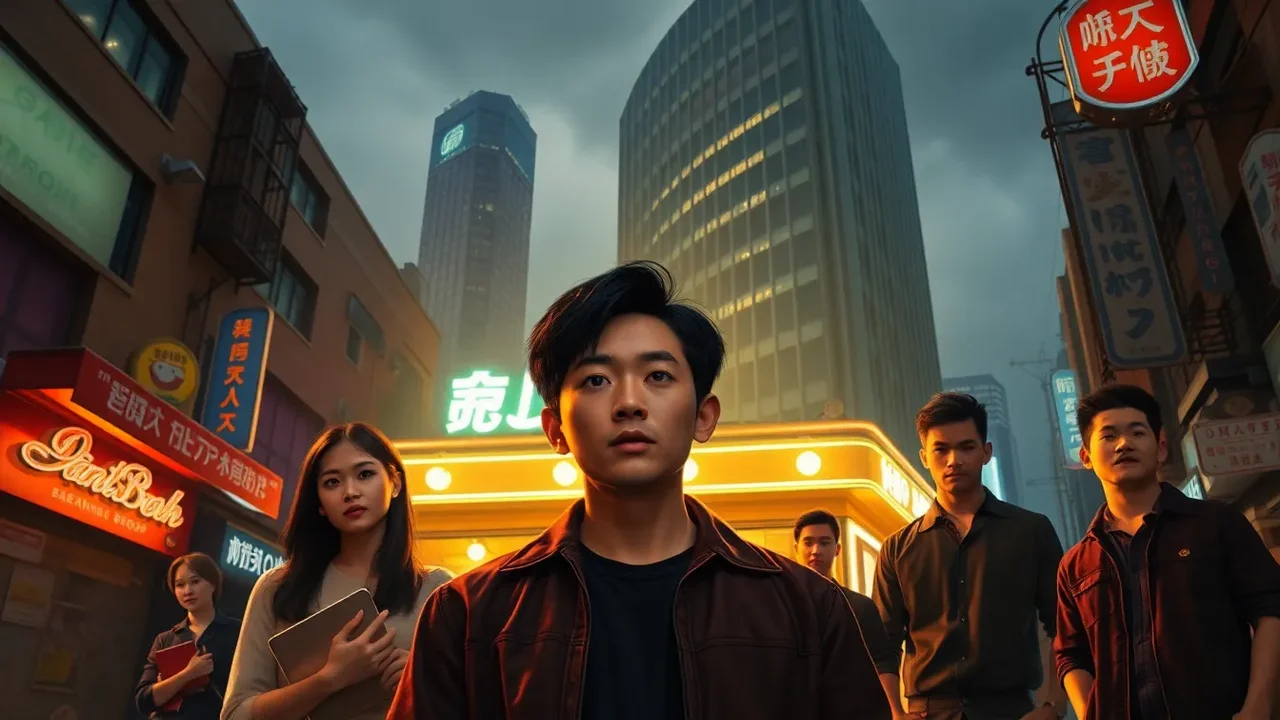
The South Korean drama Itaewon Class captivated global audiences with its compelling narrative of revenge, resilience, and redemption. At its core, the series masterfully employs the classic underdog trope, drawing viewers into a world where a young ex-convict and his ragtag team take on a powerful corporate giant. This essay delves into the character dynamics that make us root for the underdog, analyzing key figures such as Park Saeroyi, Jo Yi-seo, and Jang Dae-hee, among others. Through detailed examination of their motivations, flaws, and growth, we uncover why their struggle resonates so deeply.
Park Saeroyi: The Unyielding Protagonist
Park Saeroyi, portrayed by Park Seo-joon, embodies the quintessential underdog. Orphaned at a young age after his father's murder by the powerful Jangga Group, Saeroyi spends seven years in prison for assaulting the murderer. Upon release, his only asset is a fierce determination to destroy Jangga. His journey is not glamorous; he starts with a tiny bar in Itaewon called DanBam, staffed by misfits and outcasts. Saeroyi's defining trait is his unwavering moral compass. He operates on a personal code of loyalty and integrity, often refusing shortcuts that would compromise his principles. For instance, when offered a lucrative partnership by Jangga's chairman, he rejects it because it would require him to betray his friends. This steadfastness makes him relatable—we see a man who could have taken easier paths but chooses the hard way. His underdog status is reinforced by his lack of formal education, criminal record, and initial financial struggles. Yet, his charisma and strategic mind slowly attract allies. The audience roots for Saeroyi not because he is invincible, but because he refuses to be defeated by a system stacked against him.
Jo Yi-seo: The Calculated Wildcard
Jo Yi-seo (Kim Da-mi) is a fascinating study in underdog dynamics. Initially introduced as a narcissistic, socially inept genius, she appears to be an unlikely ally. However, her own background as the daughter of a single mother who struggled perpetuates a personal underdog narrative. Yi-seo is brilliant but lacks social acceptance; her high IQ isolates her. She becomes Saeroyi's general manager and later romantic interest. Her role is pivotal because she represents the tactical underdog—someone who uses intellect to overcome systemic barriers. While Saeroyi relies on grit, Yi-seo devises complex strategies to undermine Jangga. Her character challenges the traditional underdog mold: she is not physically strong nor morally pure; she is manipulative and sometimes cold. Yet, we root for her because she channels her brilliance to support a worthy cause. Her growth from a detached observer to a loyal team member exemplifies how underdogs can evolve. Moreover, her vulnerability—such as her struggle with her mother's illness and her own loneliness—humanizes her. The audience cheers for her victories, especially when she outsmarts Jangga executives.
Jang Dae-hee: The Antagonist as Mirror
To understand why we root for the underdog, we must examine the antagonist. Jang Dae-hee (Yoo Jae-myung), the chairman of Jangga Group, is a ruthless businessman who built his empire through exploitation and manipulation. He is not a cartoon villain; he is calculating and occasionally shows paternal affection towards his son, Geun-won. However, his actions—covering up his son's hit-and-run, bribing officials, and destroying lives—paint him as the embodiment of corrupt power. His presence accentuates the underdog narrative because he possesses everything Saeroyi lacks: money, influence, and immunity. The stark contrast makes Saeroyi's struggle more poignant. We root against Dae-hee because he represents an unjust system that prioritizes wealth over justice. Yet, his character also shows cracks: his own upbringing was harsh, and he fears losing control. This complexity prevents the story from being a simple good-vs-evil tale. Instead, it becomes a clash of values—Saeroyi's communal loyalty versus Dae-hee's individualistic greed. The audience's desire to see Saeroyi triumph is fueled by the hope that such injustice can be overturned.
Supporting Characters: The Ensemble of Misfits
Itaewon Class is notable for its diverse supporting cast, each with an underdog story. Choi Seung-kwon (Ryu Kyung-soo) is a former gangster who finds purpose at DanBam; his rough exterior belies a gentle heart. Ma Hyun-yi (Lee Joo-young) is a transgender woman who faces discrimination but becomes a beloved chef. Kim To-ni (Chris Lyon) is a half-Korean, half-Nigerian man who struggles with identity. These characters are not mere sidekicks; they have their own arcs of overcoming prejudice. Their inclusion underscores a key reason we root for the underdog: it represents the collective fight against marginalization. The DanBam team becomes a family of outsiders, each contributing unique strengths. For example, Hyun-yi's culinary talent wins over customers, while Seung-kwon's street smarts protect the bar. The audience invests in their successes because they see reflections of real-world struggles—whether it's battling racism, transphobia, or classism. The show argues that underdogs can win when they unite, a powerful message in an increasingly polarized world.
Why We Root for the Underdog: Psychological and Narrative Reasons
Several factors explain the universal appeal of rooting for underdogs, as exemplified in Itaewon Class. First, underdogs trigger our sense of justice. We inherently dislike unfair advantages and support those who overcome them. Saeroyi's fight against Jangga is a classic David vs. Goliath scenario. Second, underdogs are more relatable. Their flaws—stubbornness, naivety, anger—mirror our own imperfections. We see ourselves in Saeroyi's failures before his eventual victories. Third, narrative tension is higher when the outcome is uncertain. Will the ex-convict with a tiny bar really topple a conglomerate? This suspense keeps us engaged. Fourth, underdog stories offer hope. They remind us that perseverance can change fate. In a world where systemic barriers exist, the underdog's triumph is cathartic. Itaewon Class amplifies this by showing incremental progress: each small win—a successful event, a new contract—feels monumental. The show also subverts expectations: Yi-seo's coldness is not vilified; instead, it becomes a strategic asset. This nuanced portrayal makes the underdog journey feel authentic.
Character Comparison Table
| Character | Underdog Trait | Key Obstacle | Growth Arc |
|---|---|---|---|
| Park Saeroyi | Ex-con, low resources | Jangga Group's power | From revenge to building a community |
| Jo Yi-seo | Social outcast, high IQ | Her own arrogance | Learning empathy and teamwork |
| Choi Seung-kwon | Ex-gangster, violent past | Societal stigma | Finding redemption through loyalty |
| Ma Hyun-yi | Transgender identity | Discrimination | Gaining acceptance and confidence |
| Kim To-ni | Mixed-race, outsider | Racial prejudice | Embracing his heritage |
Key Reasons We Root for the Underdog in Itaewon Class
- Relatable Flaws: Characters are not perfect; they make mistakes and learn, mirroring real life.
- Moral Clarity: The underdog's cause is just, while the antagonist represents corruption.
- Incremental Victories: Small successes build momentum and keep hope alive.
- Diverse Representation: The show champions multiple marginalized identities, broadening the underdog appeal.
- Emotional Investment: Backstories create empathy—we know why Saeroyi fights, why Yi-seo schemes, why Hyun-yi cooks.
- Sense of Community: The underdog team's camaraderie is inspiring; they succeed together.
Thematic Underpinnings: Justice, Perseverance, and Redemption
Beyond individual characters, Itaewon Class explores themes that reinforce the underdog narrative. Justice is presented not as a legal concept but as a personal mission. Saeroyi's pursuit of revenge transforms into a quest for a fairer society. Perseverance is shown through the passage of time—the story spans years, highlighting that overcoming deep-rooted systems requires patience. Redemption arc for characters like Seung-kwon and even Yi-seo (who must learn to trust others) demonstrate that underdogs can change themselves while changing the world. The show also critiques social hierarchies: Jangga's success is built on exploitation, while DanBam's success is built on mutual respect. This dichotomy makes rooting for the underdog a moral choice. The audience isn't just cheering for a character; they are endorsing a set of values—loyalty, honesty, and communal effort. The series finale, where Saeroyi finally brings down Jangga, is satisfying not because of the vengeance itself, but because it validates that persistence and integrity can overcome power. The final image of DanBam expanding into a global chain reinforces that underdogs can achieve not just survival, but prosperity.
Practical Insights: What Itaewon Class Teaches About Underdog Narratives
Writers and storytellers can learn from Itaewon Class how to craft compelling underdog characters. First, give them a clear, relatable motivation. Saeroyi's father's death is a catalyst that feels deeply personal. Second, stack the odds realistically—don't make the antagonist cartoonishly evil; make the system seem insurmountable. Third, show vulnerability. Saeroyi cries, Yi-seo doubts herself, Seung-kwon fears rejection. Fourth, create a supportive ensemble that highlights different facets of underdog life. Fifth, allow the underdog to win through strategy and growth, not luck. The show avoids deus ex machina; Saeroyi's victory comes from years of planning and building alliances. Finally, inject moral complexity. Yi-seo's morally grey methods raise questions about ends justifying means, adding depth. These elements ensure that the audience remains emotionally engaged throughout the long journey. For anyone analyzing narrative structure, Itaewon Class serves as a textbook example of why we root for the underdog, blending character depth with socio-economic commentary.
Conclusion of Analysis (within content)
In summary, the underdog appeal in Itaewon Class is multifaceted, rooted in character vulnerability, systemic critique, and thematic resonance. Park Saeroyi's unwavering spirit, Jo Yi-seo's strategic mind, and the ensemble's collective struggle create a tapestry of perseverance. The show reminds us that underdogs are not defined by their disadvantages but by their response to them. By examining these characters, we understand our own desire to see justice prevail—and our hope that, even against overwhelming odds, we too can write our own victory.
FAQ - Why We Root for the Underdog: Character Analysis in 'Itaewon Class'
What makes Park Saeroyi an effective underdog character?
Park Saeroyi's effectiveness as an underdog stems from his unwavering moral compass, his tragic backstory (father's murder, prison time), and his incremental struggle against a powerful conglomerate. His flaws—stubbornness and occasional naivety—make him relatable, while his strategic mind and loyalty to his team earn viewer investment.
How does Jo Yi-seo subvert typical underdog traits?
Jo Yi-seo subverts the underdog mold by being socially detached, manipulative, and intellectually superior. Instead of being a victim, she is a tactical genius who uses her high IQ to outmaneuver enemies. Her underdog status comes from her isolation and lack of emotional connection, making her growth toward empathy a key part of her appeal.
Why is the antagonist Jang Dae-hee important to the underdog narrative?
Jang Dae-hee represents the entrenched power and corruption that the underdog must overcome. His wealth, influence, and ruthlessness create an almost insurmountable obstacle, making Saeroyi's struggle more compelling. His character also adds nuance by showing that villains are not born but shaped by their own harsh pasts.
What role do supporting characters play in reinforcing the underdog theme?
Supporting characters like Choi Seung-kwon, Ma Hyun-yi, and Kim To-ni each have their own underdog stories—ex-gangster, transgender person, mixed-race individual—that highlight diverse struggles against societal prejudice. Collectively, they form a found family at DanBam, emphasizing that underdogs succeed through unity and mutual support.
How does 'Itaewon Class' use the 'David vs. Goliath' trope effectively?
The show amplifies the David vs. Goliath trope by making the power imbalance explicit: a tiny bar owner with a criminal record versus a multibillion-dollar conglomerate. It avoids shortcuts by showing gradual progress—each victory is earned through hard work, strategy, and alliances. The long time span (years) underscores persistence.
What psychological reasons explain why audiences root for underdogs in this drama?
Audiences root for underdogs due to innate justice sensitivity, relatability of flaws, heightened narrative tension, and the hope that perseverance can overcome systemic barriers. 'Itaewon Class' deepens this by depicting realistic setbacks and moral complexity, making triumph feel earned and cathartic.
The underdog appeal in 'Itaewon Class' is driven by character depth: Park Saeroyi's moral steadfastness, Jo Yi-seo's strategic genius, and a diverse ensemble overcoming societal prejudice. The show uses classic David vs. Goliath tension, incremental victories, and themes of justice and perseverance to make viewers emotionally invest in the triumph of the marginalized against corporate corruption.
In the end, the underdog narrative in 'Itaewon Class' is not just about one man's revenge; it is a universal story about resilience, community, and the belief that justice can prevail against overwhelming odds. By analyzing characters like Park Saeroyi, Jo Yi-seo, and the DanBam family, we see that our rooting interest is rooted in shared human values—perseverance, loyalty, and the courage to defy a system designed to crush the weak. The show reminds us that underdogs are not defined by their disadvantages but by their refusal to give up, and that is a story worth cheering for.
